
A fallen tree is never just a landscaping problem. Whether it came down in a storm or finally succumbed to age and disease, the damage it leaves behind can expose weaknesses in your home’s roof, foundation, utility lines, and outdoor structures that you never knew existed. Instead of simply hauling away the debris and moving on, a smart homeowner treats the aftermath as a free inspection of systems that are normally hidden from view. This guide walks through what to look for and who to call as you assess the full impact.
Roof Damage That Goes Beyond the Obvious Hole
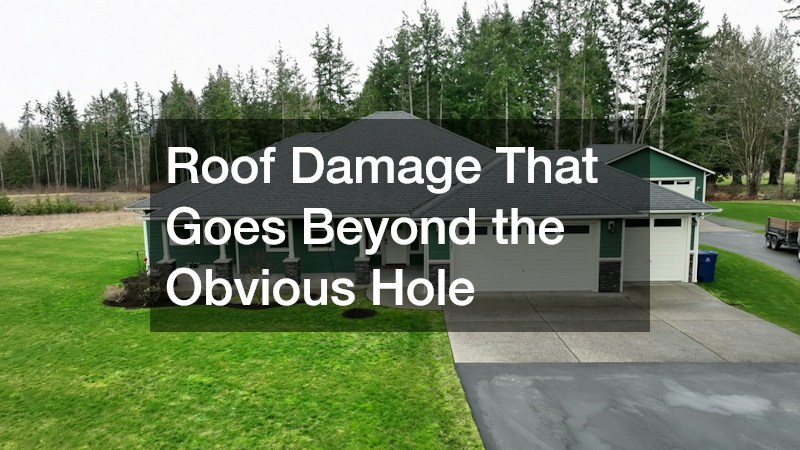
When a tree limb crashes through a roofline, the visible hole is only part of the story. The impact can crack shingles, dislodge flashing, and loosen underlayment in areas well beyond the point of contact, creating slow leaks that surface months later. A thorough inspection after any falling tree incident should extend several feet in every direction from the impact zone, not just the obvious entry point.
This is a job for professionals who know what subtle damage looks like, since a layperson walking the roofline can easily miss compromised seals or bent vents. Experienced roofers will check attic insulation for moisture intrusion, inspect decking for soft spots, and verify that gutters and downspouts are still properly attached. Getting this evaluation done quickly can mean the difference between a simple patch and a full roof replacement down the line.
- Look for granule loss on shingles near the impact area
- Check attic spaces for daylight or water stains after any limb strike
- Have flashing around chimneys and vents reinspected, since vibration can loosen it
- Document damage with photos before cleanup for insurance purposes
Foundation Cracks and Soil Movement Around the Impact Site
A large tree falling near your house can shift soil, and that movement sometimes travels straight to your foundation. Root systems that once stabilized the ground are suddenly gone, which can lead to settling, new cracks, or water pooling in places it never did before. Trees with extensive root networks, especially mature oaks, maples, and pines, can leave behind root balls spanning 10 to 20 feet in diameter, and when those roots decay or get ripped out, the soil they held in place loses its structure.
These changes are not always immediate; they can show up weeks or even seasons after the tree is removed. A foundation might look fine right after the storm, only to develop hairline cracks months later as the ground beneath it continues to settle unevenly. Watch for specific warning signs around the impact site: doors or windows that suddenly stick, gaps forming between walls and ceilings, or sloping floors near the affected corner of the house. Horizontal cracks wider than a quarter-inch are especially concerning, as they often signal structural pressure rather than normal settling.
Soil type plays a role too. Clay-heavy soil expands and contracts significantly with moisture changes, so a tree’s absence can accelerate erosion or shifting in ways that sandy or loamy soil won’t. If you’ve had heavy rain since the tree came down, that’s worth noting, since saturated, root-free soil is far more prone to displacement.
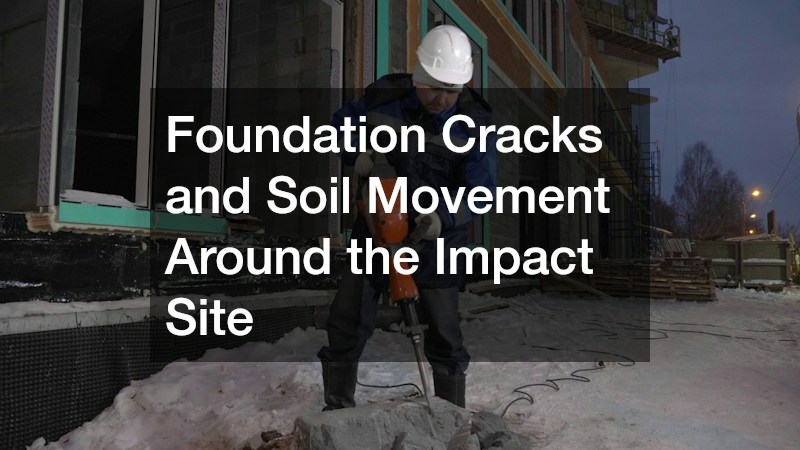
When a tree falls, its root system doesn’t just disappear quietly below the surface. The sudden loss of an anchor point can shift soil density around the root ball, especially if the tree stood within 15 to 20 feet of your foundation. That movement doesn’t always announce itself immediately; it can take weeks or months to show up in your home’s structure. If you notice new gaps around basement windows, doors that stick, or hairline cracks spreading along interior walls, it is worth having the area evaluated before cosmetic repairs are made.
Pay attention to crack patterns too: horizontal cracks or stair-step cracks in masonry often signal more serious settling than simple vertical hairlines. A gap of more than 1/4 inch along a door frame or window casing is generally a signal to call in a foundation specialist rather than wait and see. Soil composition matters here as well. Clay-heavy soil expands and contracts more dramatically with moisture changes, so a disrupted root system in clay ground can accelerate shifting compared to sandy or loamy soil. Addressing soil grading and drainage early, including regrading low spots and extending downspouts away from the home, prevents a minor shift from becoming a structural headache that costs thousands of dollars to correct down the line.
- Watch for new cracks in poured concrete foundations over the following six months, especially hairline cracks wider than 1/8 inch or any that run diagonally
- Check that soil still slopes away from the house after root removal — aim for a drop of about 6 inches over the first 10 feet
- Note any new pooling or soggy patches near the foundation line, particularly after heavy rain, since these signal drainage paths the tree’s roots used to manage
- Keep an eye on windows and doors for sticking that was not there before, which can indicate the foundation has shifted even slightly out of square
- Look for gaps forming between the foundation and exterior siding or trim, another early sign of settling
- Consider a soil compaction test if the tree stood within 15 feet of the house, since root decay can leave underground voids that collapse later
Underground Utility Lines and Septic System Exposure
Tree roots grow far wider than most people assume, often extending two to three times the height of the tree, which means they can wrap around or even grow into underground pipes. When a tree uproots, it can crack a sewer line, crush a water pipe, or expose electrical conduit that was previously buried safely out of sight. These are not repairs most homeowners should attempt themselves given the risk of gas lines, electrical shock, or sewage backup.
If the fallen tree was anywhere near your septic field, the disturbance can compact soil or damage the tank lid and piping underneath. It is a good idea to schedule septic tank pumping and an inspection afterward, even if nothing looks obviously wrong, since compacted soil can affect drainage for the entire system. Catching an issue early is far cheaper than dealing with a backed-up system later.
- Have utility lines marked before any additional digging or stump removal
- Inspect septic tank lids and risers for cracks if a tree fell nearby
- Watch for slow drains or unusual odors in the weeks following the incident
- Avoid driving heavy machinery over a septic field during cleanup
Water and Sewer Line Breaks You Might Not Notice Right Away
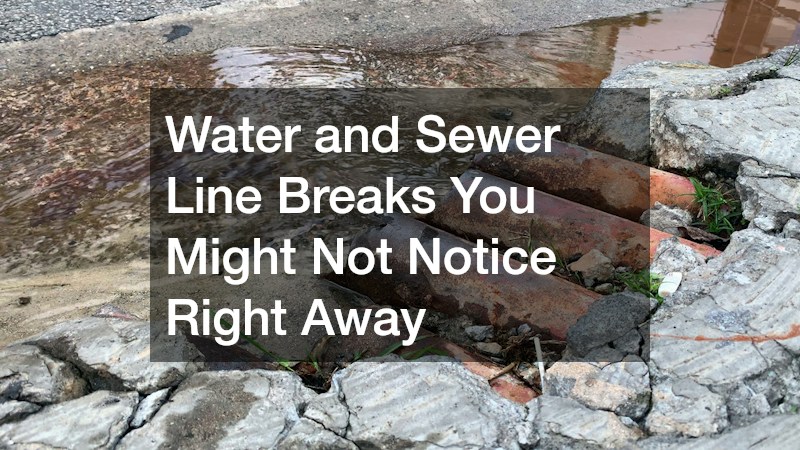
Not every pipe break announces itself with a geyser in the yard. Sometimes a cracked line shows up as a slightly damp patch of grass, a drop in water pressure, or an unexplained increase in your water bill weeks after the tree came down. Because these symptoms are easy to dismiss, many homeowners do not realize there is a problem until it has caused real damage.
If you suspect a line was affected, licensed plumbers can run a camera inspection to check the full length of pipe running near the root zone. They can also confirm whether your main water line or sewer lateral was compromised by the force of the fall or by root intrusion that was already in progress before the tree toppled. Catching this early protects both your water supply and your foundation from ongoing moisture exposure.
- Check your water meter for movement when no fixtures are in use
- Note any sudden drop in water pressure after the tree fell
- Look for unusually green or lush patches of grass, which can signal a leak
- Ask for a camera inspection if the tree was near known sewer lines
Deck and Patio Structural Damage From Impact or Root Disruption
A tree does not have to land directly on a deck to damage it. Shifting soil beneath support posts, snapped railings from falling branches, or hairline cracks in footings can all result from a nearby fall. Root systems extend well beyond a tree’s canopy, so when a large tree topples, the sudden release of tension can heave or settle the ground around buried footings, even ten or fifteen feet away. The signs of this kind of damage are often subtle at first.
A deck that feels slightly springy in one corner, a post that no longer sits flush against its footing, or a gap that’s opened up where the ledger board meets the house can all indicate that the structure has shifted. Gate and railing posts set in concrete are especially vulnerable, since they act like levers when the surrounding soil moves. Since decks support real weight and foot traffic, any structural uncertainty should be taken seriously rather than patched over cosmetically. A deck rated for 40 pounds per square foot of live load can fail well before it visibly collapses if even one or two support points have been compromised.
Before using the space again, it’s worth checking that posts are still plumb, footings haven’t cracked or tilted, and fasteners at the ledger board haven’t pulled loose, ideally with help from a contractor if the damage isn’t obviously minor.
A fallen tree rarely damages a deck in a clean, contained way. The impact can crack ledger boards, snap joists, or shift footings that were poured years ago to codes that may no longer match local requirements. Root disruption adds another layer of trouble, since roots growing under a patio or deck foundation can heave concrete slabs and tilt support posts long before the tree itself ever falls. Before any rebuilding starts, it’s worth having the whole substructure inspected, not just the visibly broken boards. A post that looks fine above ground may be rotted or cracked below the soil line where the root system pushed against it.
Patios often need similar scrutiny, since cracked or uneven pavers can signal soil shifting that will keep causing problems if it isn’t addressed at the base layer. If your deck needs significant rebuilding, this can actually be an opportunity to upgrade materials while you are at it. Many homeowners work with custom deck builders to redesign the space with better support placement and footings sized for current load requirements. A good builder will also reassess spacing between posts, especially if the original deck was built before a tree’s root system had grown large enough to interfere with the foundation. Material choice matters just as much as structural design. Composite metal decking has become a popular choice in these rebuilds because it resists rot and insect damage far better than the wood that may have just failed. It also holds up better against the moisture swings that come from nearby landscaping, which makes it a practical match for yards where another large tree still stands close to the house.
- Check all support posts for new leaning, wobbling, or soil gaps at the base after the incident
- Inspect ledger boards where the deck attaches to the house, looking for separation, water stains, or rusted fasteners
- Look for cracked or heaving concrete footings, especially within 10-15 feet of the fallen tree’s root zone
- Test deck boards and railings for sponginess or give, which can signal hidden rot accelerated by sudden moisture exposure
- Examine joists and beams underneath for shifting, splitting, or connector hardware pulled loose from the impact
- Consider material upgrades if a full rebuild is already necessary, such as composite decking or galvanized structural connectors
- Get a permit check before rebuilding, since many municipalities require updated inspections after storm-related structural damage

HVAC and Outdoor Unit Damage After a Nearby Fall
Outdoor air conditioning units are frequently stationed along the side of a house, right in the path of falling limbs or an uprooted trunk. Even a glancing blow can bend the fins, crack the housing, or knock the unit off level, which affects both efficiency and lifespan. A unit that looks fine on the outside may still have internal coil damage that will not show up until the next time you run the system.
If your outdoor unit took a hit, it is worth having a technician evaluate whether repair is realistic or whether full AC installation makes more sense, especially if the unit was already older. Replacing a damaged unit with a correctly sized, properly leveled new system often ends up more cost effective than chasing repeated repairs on a compromised one. This is also a good moment to confirm the unit is elevated enough to avoid future debris and water exposure.
- Check for visible dents or bent fins on the outdoor condenser
- Listen for unusual noises when the system first powers back on
- Confirm the unit is still level and properly mounted on its pad
- Ask about surge protection if nearby lightning accompanied the storm
Screened Porches and Outdoor Living Spaces Needing Repair
Screened porches and three-season rooms take a disproportionate amount of damage during tree falls because their mesh panels and lightweight framing offer little resistance to falling debris. A single branch can tear through several screen panels at once, and the force can bend the supporting frame enough to throw doors and windows out of alignment. Because these spaces are often attached directly to the home, damage here can also point to stress on the adjoining roofline.
When rebuilding, many homeowners choose to upgrade the entire structure rather than just patch torn screens. Modern screened porch enclosures offer better reinforced framing and more durable mesh options that stand up to future storms far better than older installations. It is also a good time to check that the porch’s drainage and flashing tie-ins to the main roof are still sound.
- Inspect frame corners for warping or separation from the house
- Check all screen panels individually, not just the obviously torn ones
- Confirm doors and windows still close and latch properly
- Have flashing where the porch meets the house roof rechecked for leaks
Stump Removal, Grading, and Yard Excavation Work
Once the tree itself is cleared, the stump and root ball left behind are often bigger problems than they appear. A large root system can leave a cavity underground that settles unevenly for years, creating low spots that collect water near your home. Removing a stump properly requires more than a chainsaw and patience, especially if the tree was close to the foundation or a paved surface.
For larger jobs, homeowners often turn to excavating companies that have the right equipment to pull stumps, regrade the soil, and restore proper drainage patterns in one coordinated effort. If the project is smaller and you are handling some of the work yourself, heavy equipment rental can give you access to a stump grinder or mini excavator without the cost of hiring out the entire job. Either way, proper regrading afterward is essential to prevent new drainage problems from forming where the root system used to be.
- Have the cavity left by the root ball filled and compacted properly
- Regrade the area so water flows away from the house, not toward it
- Check nearby pavement or walkways for new cracking from root removal
- Confirm underground utilities are clearly marked before any excavation begins
Insurance Documentation and Repair Prioritization
With so many systems potentially affected, it helps to have a clear order of operations before contractors start arriving. Structural and safety issues come first, followed by anything affecting water intrusion, then cosmetic and landscaping repairs. Insurance adjusters will also want thorough documentation, so photographing damage before cleanup begins protects you if disputes come up later.
It is also worth getting more than one estimate for major repairs, particularly for roofing companies bidding on anything beyond a simple patch job. Comparing quotes not only protects your budget but often surfaces damage one contractor noticed that another missed. Keep a running file of every inspection report and invoice, since this paperwork becomes invaluable if additional damage surfaces months later.
- Photograph all damage before any cleanup or repair begins
- Get at least two independent estimates for major structural work
- Keep copies of every inspection report, even ones that found no damage
- Ask your insurer directly whether tree-related utility damage is covered separately
A fallen tree forces you to look at parts of your home you would otherwise never think about, from the pipes under your yard to the framing behind your porch screens. Working through each system methodically, rather than just focusing on the visible wreckage, protects you from costly surprises later on. Start with a safety-focused inspection, bring in the right specialists for each system involved, and keep thorough records as you go. The disruption is frustrating, but it is also a rare chance to catch and fix problems before they become much bigger ones.