Spring is the perfect time to revive your yard after a long winter. Cold weather, snow, and heavy rains can leave lawns patchy, garden beds bare, and outdoor spaces cluttered with debris. Without proper planning and preparation, these issues can worsen, leading to costly repairs and a less enjoyable outdoor environment. Preparing your yard for spring requires more than just raking leaves or mowing grass—it involves assessing your space, repairing damage, improving soil health, and planning ahead for planting and landscaping projects. This guide offers practical, actionable tips to help homeowners of all skill levels restore their lawns, gardens, and outdoor spaces. From basic maintenance to tackling larger projects, the steps outlined here will help ensure your yard thrives throughout the spring season, creating a safe, beautiful, and functional space for relaxing and entertaining. Taking the time to prepare thoroughly also saves effort in the long run, as early intervention can prevent issues like erosion, pest infestations, and plant failure. By understanding how to balance cleanup, soil management, planting, and structural upkeep, you can ensure your outdoor spaces are both visually appealing and structurally sound for the months ahead. A well-prepared yard can enhance property value, improve outdoor comfort, and encourage healthy plant growth that will sustain throughout the year. Proper planning now reduces the stress of last-minute projects and ensures that every area, from garden beds to hardscapes, is ready for vibrant spring activity.
Assess Your Yard and Make a Cleanup Plan

The first step to preparing your yard is to conduct a thorough assessment. Start by walking through your property, noting fallen branches, accumulated leaves, and areas damaged by winter weather. Pay attention to drainage issues, bare patches, and any erosion along slopes or around trees. Organizing your cleanup tasks in advance makes the work more manageable and prevents unnecessary trips back and forth to storage or disposal areas. For large debris, such as branches, old fencing, or renovation waste, using a local dumpster rental service can save time and reduce multiple trips to a landfill. Additionally, certain heavy-duty tools like power rakes, tillers, or chainsaws may be required to complete cleanup efficiently. Rather than investing in expensive equipment you’ll only use once or twice a year, consider equipment rental services to access the right tools safely and cost-effectively. Removing accumulated winter debris early also minimizes the risk of pests and disease establishing themselves in your yard. This stage is also ideal for assessing soil compaction, water pooling areas, and sunlight exposure to guide later planting decisions. Planning the cleanup in phases—starting with general debris, followed by pruning, and then soil preparation—can make even large yards manageable. By starting with a comprehensive cleanup plan, you ensure the rest of your spring preparation proceeds smoothly and efficiently.
Revive Your Lawn After Winter
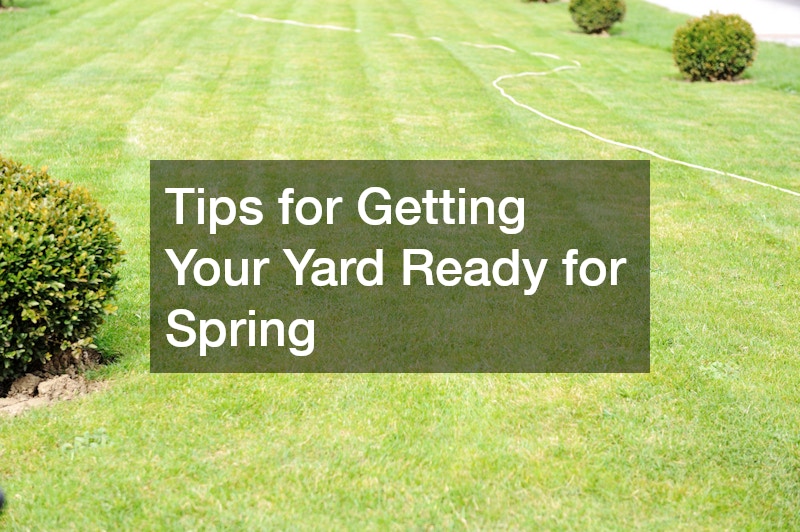
After winter, lawns often appear patchy, compacted, or covered in debris. Begin by inspecting the grass for areas of discoloration, moss, or thinning. Aeration is essential for compacted soil, allowing water, nutrients, and air to reach the roots more effectively. Dethatching removes layers of dead grass and debris that block growth, while applying fertilizer provides the nutrients needed for a healthy, green lawn. For bare spots that cannot recover naturally, laying sod is an effective way to achieve instant results and restore uniformity. Homeowners who feel unsure about proper techniques, scheduling, or fertilization rates may benefit from hiring a local lawn care service. These professionals can address ongoing pest problems, manage fertilization programs, and ensure the lawn is prepared for vigorous spring growth. Regular mowing, timely watering, and monitoring for early weeds are also critical to prevent the lawn from being overtaken by invasive species. Over-seeding can further enhance density and repair thinning areas, especially when paired with proper soil preparation. Early spring is also the time to evaluate irrigation efficiency, adjusting sprinklers or drip systems to prevent overwatering or dry spots. By addressing these issues proactively, homeowners can enjoy a lush, resilient lawn throughout the season, reducing maintenance challenges later in the year.
Prepare Garden Beds for Planting
Garden beds require careful preparation before planting spring flowers or vegetables. Start by removing any dead plants, fallen leaves, and weeds from the previous season. Prune perennials and shrubs to encourage healthy growth, and inspect plants for signs of disease or damage. Improving soil health is critical for strong growth; mixing in nutrient-rich mulch and compost can enhance fertility, improve water retention, and reduce weed growth. Proper layering of mulch also helps regulate soil temperature and protects plant roots from late frosts. Timing is important: some early spring crops are frost-tolerant, while others require warmer soil. Proper spacing and planning prevent overcrowding, which can lead to disease or poor growth. Maintaining proper moisture levels and monitoring soil conditions will set the stage for a successful planting season. Gardeners should also consider companion planting strategies, which can improve growth, repel pests, and reduce the need for chemical treatments. Consulting a local garden center for plant recommendations, soil amendments, and seasonal guidance ensures that selections are appropriate for your region and microclimate. By investing time in soil enrichment and bed preparation, gardeners create an environment where plants are more likely to thrive, reducing the need for constant maintenance later.
Inspect and Maintain Hardscape and Structures

Outdoor structures often take a beating during winter months, and spring is the ideal time to inspect and maintain them. Walkways, patios, fences, and decks should be checked for cracks, loose boards, or other damage. Minor repairs, such as replacing boards or tightening screws, can prevent larger problems down the line. For structural projects, hiring a general contractor ensures the work is performed safely and according to code, especially for retaining walls, pergolas, or complex outdoor kitchens. Pools also require attention in spring. Checking the filtration system, inspecting the liner or surface for damage, and addressing small leaks early can prevent costly repairs later. Pool repair and maintenance at this stage ensures safe, clean water for the upcoming season and helps maintain the overall value of your property. Inspecting outdoor lighting, irrigation lines, and drainage channels at this stage ensures everything is ready for summer use. Attention to detail during inspection, such as checking for loose railings or erosion near walkways, helps prevent accidents and liability issues. A thorough inspection of both hardscape and outdoor structures provides a safe, functional foundation for enjoying your yard all season long.
Optimize Irrigation and Water Management
Proper irrigation is essential for a healthy spring yard. Inspect sprinkler systems for leaks, broken heads, or clogged nozzles. Adjust watering schedules based on seasonal rainfall to prevent overwatering, which can lead to root rot and fungal diseases. For gardens, consider drip irrigation or soaker hoses to ensure water reaches plant roots efficiently while reducing evaporation. Low-lying areas prone to standing water should be graded or addressed with drainage solutions to prevent erosion and plant damage. Using rain barrels or other water-collection systems can reduce reliance on municipal water and improve sustainability. Consistent monitoring of soil moisture levels and irrigation system performance helps prevent stress on both lawns and garden beds. Mulching around plants also assists in retaining moisture, reducing the frequency of irrigation while supporting root health. Early irrigation checks help identify leaks and prevent costly water waste. Proper water management in early spring sets a foundation for strong plant growth throughout the warmer months, ensuring lawns and garden beds remain healthy and vibrant.
Plan Your Landscaping Projects and Outdoor Living Spaces
Spring is also an ideal time to plan or start larger landscaping projects. Apartment dwellers can focus on container gardens, vertical planters, or balcony-friendly greenery to maximize limited space. For homeowners with larger yards, planning patios, walkways, retaining walls, or raised garden beds early allows for phased construction and efficient use of contractors and materials. Complex projects may require the expertise of a general contractor, who can manage timelines, permits, and structural concerns. Budgeting is critical: dividing projects into phases and scheduling tasks around weather and plant growth ensures progress without overwhelming resources. Strategic planning also includes selecting durable materials, considering seasonal sun exposure, and designing spaces for both aesthetics and functionality. Planning for outdoor lighting, seating, and accessibility ensures long-term usability. Well-planned landscaping projects enhance the functionality, safety, and aesthetic appeal of outdoor spaces, making the yard a more enjoyable and productive area all spring long.
Lawn and Garden Pest Prevention
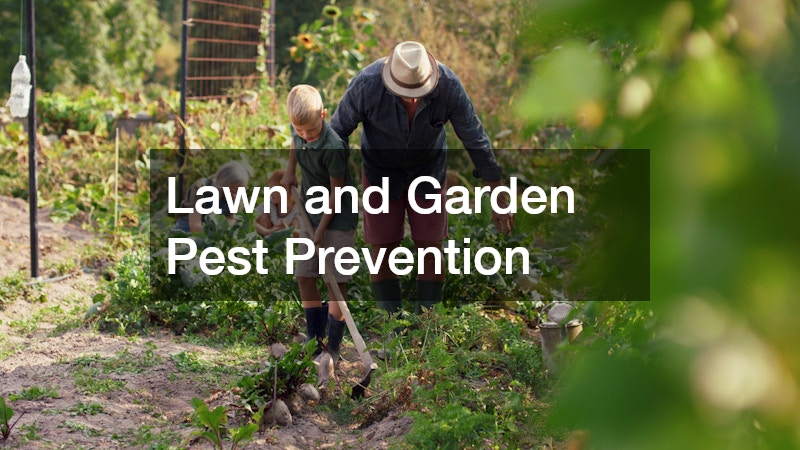
Pests can quickly undo the work of spring yard preparation. Insects, rodents, and early weeds can damage grass, plants, and soil structure. Inspect your yard and garden beds regularly to identify pest activity before infestations take hold. Applying organic or chemical solutions as needed, while following safe usage guidelines, reduces risk to humans, pets, and beneficial insects. Encouraging natural predators, such as ladybugs or birds, can also help control populations. Maintaining healthy soil, proper watering, and regular mulching creates an environment less hospitable to pests. Strategic crop rotation, companion planting, and timely weeding further limit opportunities for infestations. Preventive action in early spring ensures that your yard and garden grow vigorously without unnecessary interruptions from pest-related problems. Early pest management also reduces the need for harsher chemicals later in the season, supporting overall ecosystem health.
Seasonal Equipment and Tool Maintenance
Having properly maintained tools is essential for efficient spring yard work. Inspect lawn mowers, trimmers, pruners, and other gardening tools for damage, sharpness, and cleanliness. Sharpening blades, lubricating moving parts, and replacing worn components improve safety and performance. Equipment rental services can provide access to specialized tools such as rototillers, power aerators, or chainsaws for larger projects. Local garden centers are also excellent resources for seasonal supplies, advice, and repair services, ensuring that you have the right equipment and guidance for your spring preparation. Additionally, maintaining fuel-powered equipment properly, including replacing old gas and checking spark plugs, improves reliability and extends the lifespan of your tools. Well-maintained tools save time and reduce frustration, allowing for smoother, more effective yard work. Keeping an organized storage area for tools also prevents misplacement and reduces wear caused by improper storage.
Mulching, Composting, and Soil Health
Mulching and composting are cornerstones of spring yard preparation. Choosing the right type of mulch for your garden and applying it correctly helps retain soil moisture, prevent erosion, and suppress weeds. Compost enriches the soil with nutrients, improving plant growth and overall soil structure. Mixing mulch and compost with garden beds encourages healthy root systems and reduces the need for chemical fertilizers. Regular soil testing can identify nutrient deficiencies and guide appropriate amendments. Applying mulch around trees, shrubs, and garden beds also moderates soil temperatures and reduces stress on plants during temperature fluctuations. By investing time in maintaining soil health, gardeners ensure their plants and lawns have the best chance to thrive, saving effort and expense later in the season. Adding organic amendments gradually over the spring helps improve long-term soil fertility and reduces reliance on synthetic products.
Final Touches for a Vibrant Spring Yard

Once cleanup, lawn care, planting, and maintenance are complete, focus on finishing touches that make your yard both functional and attractive. Reseeding bare patches or laying sod ensures a lush, even lawn. Applying fertilizer at this stage promotes rapid growth and strengthens plants for the season ahead. Homeowners may also hire a local lawn care service to maintain ongoing programs for mowing, fertilization, and pest management. Decorative elements such as planters, garden ornaments, seating areas, or seasonal flowers add personality and appeal. Installing mulch or decorative stone around garden beds can create visual contrast while improving soil health. Maintaining fences, small retaining walls, or other minor structures ensures the yard remains safe and accessible. By completing these final steps, you ensure that your yard is ready for outdoor activities, entertaining, and long-term enjoyment throughout spring and beyond.
Preparing your yard for spring requires careful planning, attention to detail, and a mix of DIY effort and professional support. By assessing your space, cleaning debris, restoring lawns, maintaining garden beds, inspecting structures, and managing pests and irrigation, you set the stage for a healthy and vibrant outdoor environment. Investing in soil health, proper tools, and occasional professional services ensures that your yard remains safe, attractive, and functional all season. A well-prepared yard not only enhances curb appeal but also creates an inviting space for relaxation, recreation, and family enjoyment throughout the spring months. By taking these steps early, you minimize the risk of costly repairs, improve long-term plant health, and enjoy a stress-free, thriving yard from the first warm days of the season. Proper planning now ensures sustainable growth, reduces ongoing maintenance, and maximizes your outdoor enjoyment for months to come.