Designing an Outdoor Space That Works as Beautifully as It Looks
A well-designed outdoor space should feel just as intentional as the inside of a home. It’s not only about curb appeal or having a visually impressive yard—it’s about creating a space that supports everyday use. Whether it’s a place to relax after work, entertain guests, or spend time with family, the best outdoor designs combine comfort, usability, and visual appeal.
Many homeowners focus heavily on how their yard looks at first glance, choosing plants or features based on trends rather than practicality. Over time, this can lead to frustration when maintenance becomes overwhelming or the layout doesn’t support how the space is actually used. On the other hand, focusing only on function can result in a space that feels plain or lacks personality.
The goal is to strike a balance. That means thinking through how the space will be used, how often it will be maintained, and how each element contributes to the overall experience. From layout and materials to lighting and plant choices, every decision plays a role.
With thoughtful planning and the right approach, it’s possible to create an outdoor space that looks great year-round while remaining easy to use and maintain. The following sections break down practical strategies to help homeowners achieve that balance.
Start With a Clear Plan That Matches Your Lifestyle
Before making any changes, it’s important to understand how the outdoor space will actually be used. Some homeowners want a quiet retreat, while others need room for gatherings, pets, or children. Defining these priorities early helps guide every decision that follows.
Working with a backyard landscaping contractor can make this process much smoother. They can assess the space, identify potential challenges, and recommend solutions that align with both style and function. Their experience helps ensure that the design is realistic and tailored to the property.
Professional landscaping services also help bring structure to the planning phase. Instead of guessing what might work, homeowners can rely on expert input to create a layout that flows naturally. This includes deciding where to place seating areas, pathways, and plant beds in a way that feels organized and purposeful.
A clear plan also helps avoid costly changes later. When each element has a defined purpose, the final result feels cohesive rather than pieced together. Taking the time to plan properly sets the foundation for a space that is both attractive and easy to use.
Select Plants That Thrive and Stay Manageable
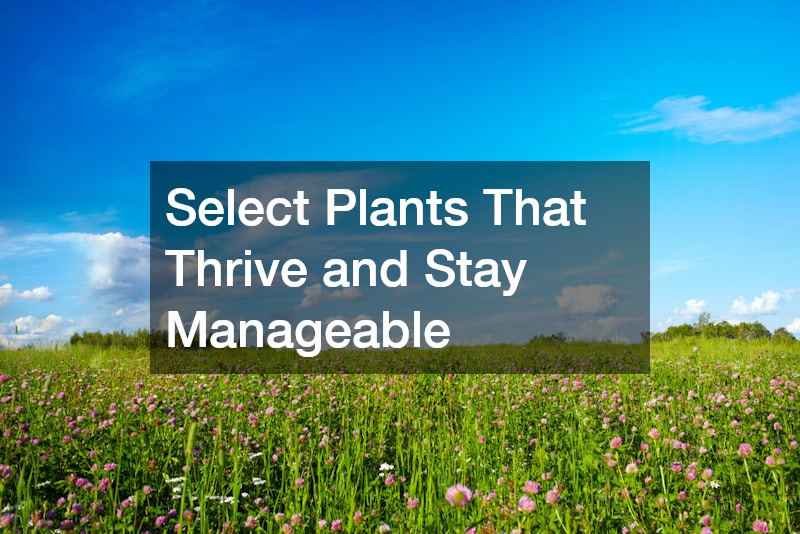
Choosing the right plants is essential for creating a landscape that looks good without becoming difficult to maintain. While it’s tempting to pick plants based on appearance alone, it’s far more effective to consider climate, soil conditions, and growth patterns.
Visiting a plant nursery can help homeowners find options that are well-suited to their region. Staff members often provide guidance on which plants will thrive locally and how to care for them. This reduces the risk of investing in plants that struggle to survive or require constant attention.
Maintenance should also be part of the decision-making process. For example, regular tree trimming is necessary to keep trees healthy and prevent overgrowth. Without proper care, trees can become a safety concern or overshadow other parts of the yard.
By selecting plants that are both attractive and practical, homeowners can create a landscape that remains balanced over time. This approach reduces maintenance while ensuring the yard continues to look polished and inviting.
Build a Strong Foundation With Practical Ground Cover
The ground layer of a landscape plays a major role in both appearance and usability. It affects how the space feels underfoot, how it drains, and how much maintenance it requires. Choosing the right option makes a noticeable difference in daily use.
Installing sod is a popular choice for homeowners who want an immediate, lush lawn. It provides a clean, finished look and can handle moderate foot traffic when properly maintained. This makes it ideal for areas where people gather or children play.
High-quality landscape supplies are equally important for long-term success. From soil and mulch to edging materials, these elements support plant health and keep the design looking organized. Investing in better materials upfront often reduces the need for frequent replacements.
A well-planned ground layer ties the entire design together. It creates a smooth transition between different areas while supporting both function and visual appeal. With the right choices, the yard becomes easier to maintain and more enjoyable to use.
Use Lighting to Improve Safety and Atmosphere

Lighting is one of the most effective ways to enhance both the look and functionality of an outdoor space. It extends usability into the evening while improving safety around walkways, steps, and entry points.
Strategic landscape lighting highlights key features such as pathways, patios, and garden beds. It helps guide movement through the space while adding depth and dimension. When placed thoughtfully, lighting can transform how the yard looks at night.
Permanent outdoor lights offer a convenient solution for homeowners who want consistent illumination without the hassle of temporary setups. These systems are designed to withstand weather conditions and provide reliable performance throughout the year.
Balancing brightness is important. Too much light can feel harsh, while too little can limit visibility. The goal is to create a comfortable environment that feels both welcoming and functional. With the right lighting plan, outdoor spaces can be enjoyed long after the sun goes down.
Design Low-Maintenance Areas That Still Look Great
Not every part of a yard needs to be high-maintenance to look appealing. In fact, some of the most effective designs incorporate areas that require minimal upkeep while still contributing to the overall aesthetic. Thoughtful planning allows homeowners to reduce time spent on upkeep without sacrificing visual impact. By choosing the right balance of materials and plant life, it’s possible to create a yard that looks polished while remaining easy to manage throughout the year.
Xeriscape installation is one approach that focuses on reducing water use while maintaining visual interest. By using drought-tolerant plants and efficient layouts, homeowners can create attractive spaces that are easier to manage. This is especially useful in areas where water conservation is a priority. These designs often include gravel, stone, or mulch to replace large sections of grass, which helps reduce watering needs and ongoing maintenance. The result is a clean, modern look that still feels natural and inviting.
Professional landscaping services can help identify which parts of the yard are best suited for low-maintenance solutions. They can recommend plant combinations, materials, and layouts that reduce the need for constant care. Their experience also helps ensure that each element works well together, preventing issues like overcrowding or poor drainage.
Designing with maintenance in mind ensures that the space remains enjoyable over time. Instead of feeling like a chore, the yard becomes a place to relax and unwind, with less effort required to keep it looking its best.
Create Defined Areas for Better Flow and Use
A well-organized outdoor space feels more functional and inviting. Dividing the yard into specific zones helps create a sense of order while making it easier to use each area effectively.
A backyard landscaping contractor can help design these zones in a way that feels natural. For example, a dining area might be placed near the home, while a seating area is positioned further out for privacy. Pathways and borders can guide movement between these spaces.
Clear boundaries prevent the yard from feeling cluttered or confusing. Each section has a purpose, whether it’s for relaxing, entertaining, or gardening. This structure makes the space more enjoyable and easier to navigate.
Thoughtful zoning also allows homeowners to make better use of available space. Even smaller yards can feel larger when they are organized effectively. By focusing on flow and purpose, the design becomes both practical and visually appealing.
Maintain Your Landscape to Protect Your Investment
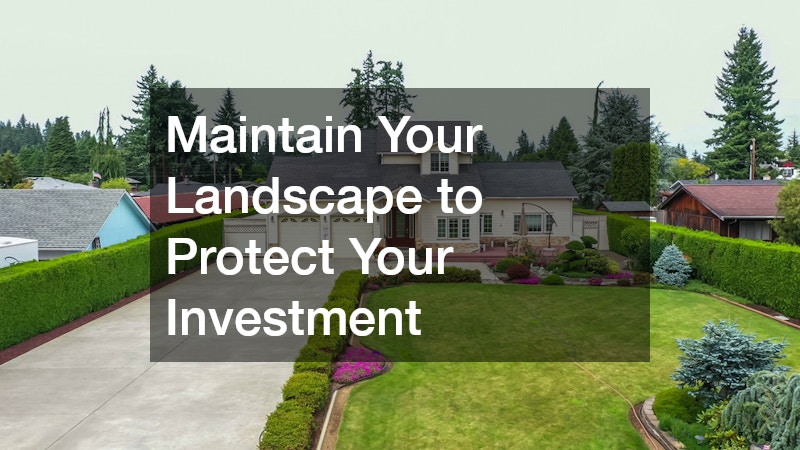
Even the best-designed outdoor space requires regular upkeep to stay in good condition. Maintenance ensures that plants remain healthy, materials last longer, and the overall design continues to look polished.
Hiring professional landscapers can make this process more manageable. They have the tools and experience needed to handle routine tasks efficiently, from mowing and pruning to seasonal cleanups. This helps preserve the original design and prevents small issues from becoming larger problems.
Regular tree trimming is especially important for safety and appearance. Overgrown branches can damage structures, block sunlight, or create hazards during storms. Keeping trees properly maintained supports both function and visual balance.
Consistent care protects the time and money invested in the landscape. It also ensures that the space remains enjoyable throughout the year. With proper maintenance, the yard continues to deliver both beauty and functionality.
Blend Natural and Built Elements for a Cohesive Look
A balanced outdoor design combines natural elements with structural features. This mix creates visual interest while improving usability. Hard surfaces provide stability for walking, seating, and gathering areas, while plants soften the overall look and bring life to the space. When these elements are thoughtfully combined, the result feels both welcoming and practical.
Using quality landscape supplies helps ensure that built elements like patios, walkways, and retaining walls are durable and visually consistent. These features not only support daily use but also help define different areas of the yard. For example, a well-placed walkway can guide movement, while a patio creates a clear space for relaxation or entertaining. Choosing materials that hold up over time reduces maintenance and keeps the design looking polished.
Blending these elements requires careful planning. Materials should complement the surrounding environment, whether that means matching stone colors to the home or choosing finishes that work with existing features. Transitions between areas should feel natural rather than abrupt. Gradual changes in texture or elevation can help create a smoother flow from one section to another.
Plants play an important role in tying everything together. They can be used to frame hard surfaces, add contrast, and soften sharp edges. By combining hard and soft elements effectively, homeowners can create a space that is both functional and visually appealing. This balance enhances the overall experience and makes the yard more versatile and enjoyable.
Plan for Year-Round Enjoyment and Changing Seasons
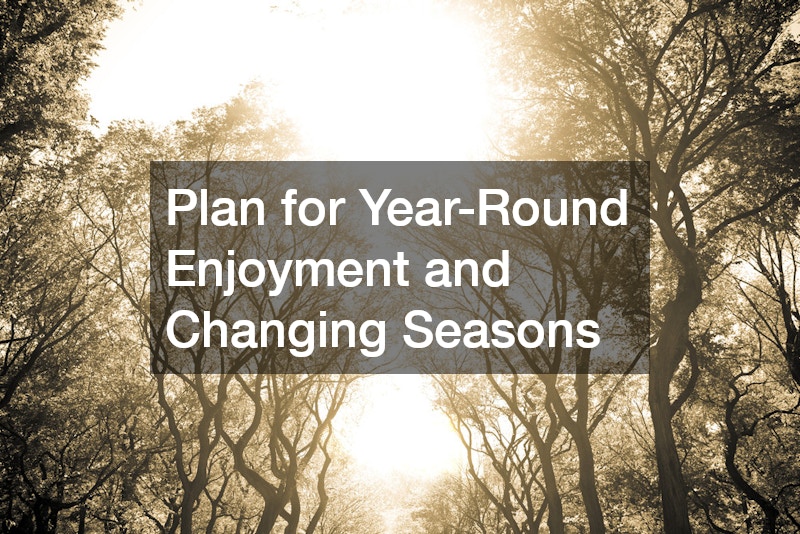
Outdoor spaces should be designed with all seasons in mind. A yard that looks great in summer but feels empty in winter can limit how often it’s used. Planning for seasonal changes helps maintain both beauty and function throughout the year. This means thinking beyond peak growing months and considering how the space will look and perform during colder or less active times. Features like evergreens, hardscape elements, and structured layouts can help maintain visual interest even when plants are dormant.
Using sod provides a consistent green base during warmer months, creating a vibrant and inviting look. Pairing this with plants that bloom at different times ensures ongoing visual interest. For example, early spring flowers, summer perennials, and fall foliage can create a layered effect that keeps the yard looking fresh as the seasons change. This approach prevents the space from feeling flat or lifeless at any point in the year.
Adjusting landscape lighting for shorter days helps extend usability into the evening during fall and winter. Well-placed lights keep the space safe and accessible, even when daylight is limited. They also highlight key features, adding warmth and depth during darker months when natural light is scarce.
Preparing for seasonal changes also involves choosing materials and plants that can handle different weather conditions. This reduces maintenance and ensures the yard remains in good condition year-round. Durable surfaces and climate-appropriate plants help the space stay functional and visually appealing no matter the season.
Bring Your Outdoor Vision to Life With Smart Design Choices
Creating a space that balances beauty and function requires thoughtful decisions at every stage. From planning and materials to layout and maintenance, each element contributes to the final result. When these choices work together, the outdoor space becomes both practical and enjoyable.
Focusing on how the space will be used helps guide design decisions that support everyday living. At the same time, paying attention to visual details ensures the yard remains inviting and cohesive. This balance allows homeowners to get the most out of their investment.
By taking a strategic approach, it’s possible to create an outdoor environment that looks great while meeting real-life needs. The result is a space that feels comfortable, organized, and ready to be enjoyed throughout the year.