Managing the mature trees on your property is a fundamental part of maintaining a safe, beautiful, and valuable estate. Large oaks, maples, and pines provide irreplaceable architectural character, cooling shade during hot summer months, and critical environmental benefits. However, because of their immense size, weight, and proximity to your home’s structural boundaries, trees require specialized, proactive care to remain healthy and structurally sound. When a storm rolls through or a tree begins to show signs of disease, attempting to handle the situation yourself or hiring an unverified handyman with a chainsaw can lead to catastrophic property damage, severe personal injury, and irreversible harm to the tree itself.
Hiring a professional tree service company is an investment in your property’s safety and visual harmony. Yet, for many homeowners, navigating the marketplace can be overwhelming. The tree care industry is vast, ranging from highly trained, scientifically minded tree preservation specialists to basic emergency removal operations. Making an informed decision requires looking past flashy advertisements and understanding the specific qualifications, safety protocols, and operational workflows that separate industry leaders from high-risk operations. This comprehensive guide breaks down everything you need to know to evaluate, select, and collaborate with a premier tree care team.
Understanding the Scope of Work Before Hiring
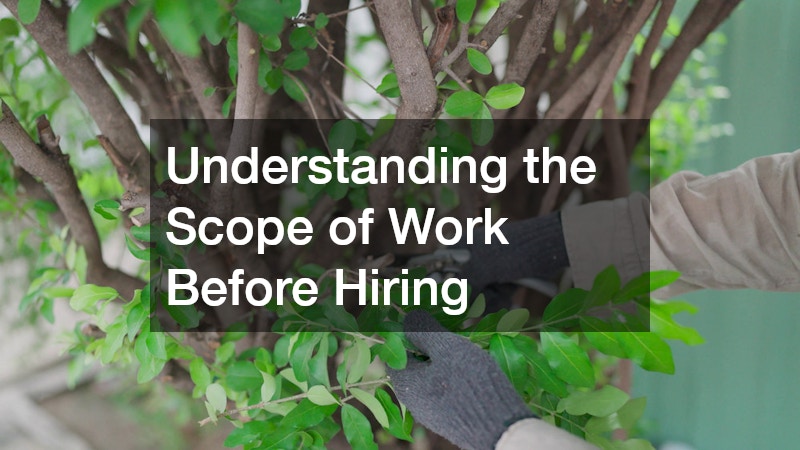
Before you begin reaching out to local service providers for quotes, it is essential to clearly define what you want to accomplish with the vegetation on your property. Tree care is not a one-size-fits-all industry; different tree species, ages, and structural conditions require vastly different technical approaches. For instance, clearing out minor deadwood from a young ornamental tree out front demands a completely different skill set, timeline, and equipment package than dismantling a massive, century-old hardwood leaning dangerously over your roofline.
For many mature trees, the primary objective should be structural preservation rather than destruction. Professional tree pruning is a highly calculated, precise technique that involves removing specific branches to improve the tree’s overall structural integrity, increase light penetration, and reduce wind resistance within the canopy. Uninformed cutting—such as “topping” a tree or indiscriminately lopping off large limbs—shocks the plant’s biological system, creating large structural wounds that invite wood-rotting fungi and invasive boring insects. By understanding whether your tree requires deadwood removal, crown thinning, structural elevation, or hazardous reduction before you call a contractor, you can communicate your goals clearly and ensure the team arrives with the correct operational plan.
Verifying Experience and Professional Qualifications
Because the tree care industry has a relatively low barrier to entry regarding basic cutting tools, the market is frequently flooded with uncertified individuals posing as qualified professionals. Entrusting your property to an amateur introduces immense financial and physical liability. If a heavy limb drops onto your neighbor’s garage or tears through your main utility lines during an unverified operation, you could find yourself personally entangled in costly insurance disputes and legal battles.
When vetting potential contractors, your first step must be to verify their baseline professional credentials and operational experience. A reputable, fully established tree service company will openly display its business licenses, state registrations, and professional affiliations without hesitation. Ask how long the company has operated under its current name and request verifiable proof of their experience with the specific tree species native to your region. True industry professionals do not rely on guesswork; they understand the biological growth patterns and wood densities of your trees, ensuring that every cut made on your property is executed safely and backed by years of field-tested expertise.
Evaluating Maintenance Options for Long-Term Tree Health
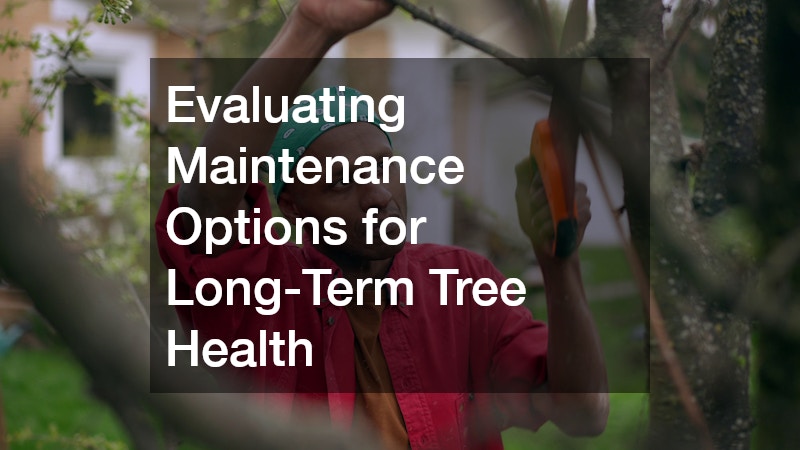
While emergency storm response and hazardous tree extractions often capture the most attention, the vast majority of tree work should center around preventative, long-term health management. Trees are living, breathing organisms that respond dynamically to changes in soil quality, moisture levels, urban construction pressures, and regional climate shifts. Waiting until a tree is completely dead or dropping massive limbs before calling a professional is an incredibly expensive and reactive way to manage your estate.
When interviewing companies, look closely at their preventative service offerings. Premier tree trimming services include comprehensive canopy inspections, seasonal crown management, deep-root fertilization therapies, and targeted pest control treatments. Regularly trimming back heavy, overextended limbs prevents structural failure during high winds, while removing crossing branches stops bark friction from creating entry portals for deadly diseases. Choosing a company that prioritizes long-term botanical health over quick, destructive removals ensures that your trees remain vibrant, safe, and beautiful components of your landscape for generations.
Researching Local Reputation and Customer Reviews
In the digital era, a company’s past performance is highly transparent. Before signing a contract or allowing heavy machinery onto your lawn, you should dedicate time to thoroughly researching a provider’s standing within your local community. A flashy truck or a sleek website means very little if the crew routinely leaves residential lawns rutted, leaves heavy debris behind for the homeowner to clean up, or fails to honor their initial financial estimates.
A truly reliable tree company will possess a robust, verifiable track record of positive feedback across independent online review platforms, local business bureaus, and community forums. Pay close attention to how reviewers describe the crew’s professionalism, their punctuality, their adherence to safety protocols, and—most importantly—the cleanliness of the property after the job is completed. Furthermore, do not hesitate to ask the company for a list of recent local references. Speaking directly with past clients provides invaluable insight into how the team handles unexpected project complications, gives you an accurate preview of what to expect, and ensures peace of mind.
Comparing Services Offered by Different Providers
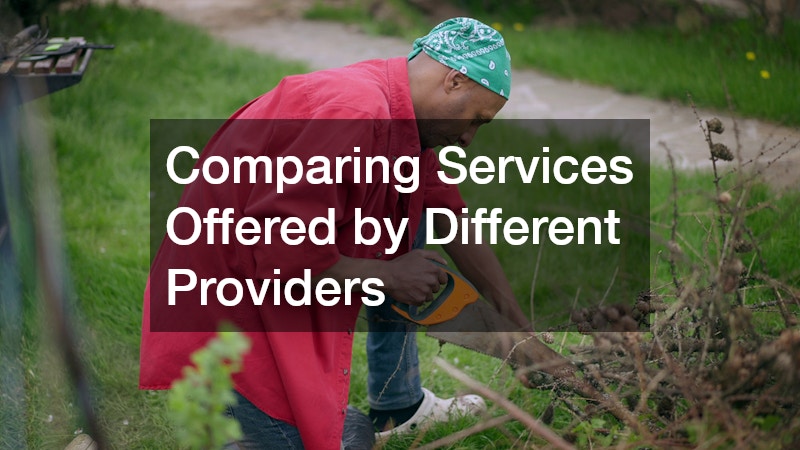
As you gather estimates from multiple organizations, you will quickly realize that the operational capacities of different tree care outfits vary dramatically. A small crew with a single pickup truck and a couple of chainsaws may be perfectly adequate for clearing out low-hanging brush or processing small firewood, but they will be completely overwhelmed and outmatched by large-scale structural canopy operations that require cranes, bucket trucks, and commercial-grade wood chippers.
When reviewing proposals, look at the big picture and carefully compare the specific service packages outlined by different tree companies. A comprehensive, multi-layered proposal should itemize the exact scope of work for each individual tree, clarify whether wood disposal and stump grinding are included in the baseline price, and specify the exact clean-up procedures the crew will perform. Opting for a full-service provider ensures that you won’t be left with massive log rounds littering your driveway or a gaping stump hole in the center of your front lawn that requires hiring a completely separate contractor to remediate down the road.
Confirming Safety Practices and Insurance Coverage
Tree care is inherently hazardous work, consistently ranked by federal safety agencies as one of the most dangerous occupations in the country. Crew members work at extreme heights, operate high-velocity cutting machinery, and handle thousands of pounds of volatile, falling timber daily. Because of these high physical stakes, verifying a company’s internal safety culture and insurance parameters is the single most critical step in the entire hiring process.
Never allow a crew to start work on your property until they have provided a current, valid certificate of insurance sent directly from their insurance broker to you. This documentation must explicitly include both comprehensive general liability insurance and robust workers’ compensation coverage for every employee on site. Furthermore, leading tree removal companies mandate that their ground and climbing crews strictly adhere to modern safety guidelines, including the mandatory use of personal protective equipment (PPE) like hard hats, chainsaw chaps, eye protection, and specialized climbing harnesses. Choosing a safety-conscious team protects the physical well-being of the workers, insulates your household from severe financial liability, and ensures the project proceeds smoothly without incident.
Knowing When Specialized Expertise Is Needed
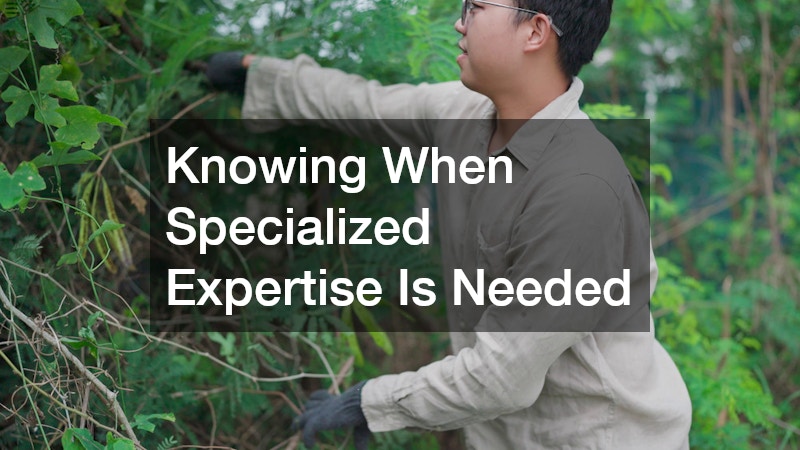
There are many instances where tree care shifts from a mechanical cutting task into a complex, forensic science problem. If a treasured, historic oak on your property is dropping leaves prematurely, showing signs of mysterious fungal growth around the base of the trunk, or suffering from sudden bark splitting, a standard tree cutter will rarely possess the scientific knowledge required to accurately diagnose and save the tree from dying.
During these high-stakes biological crises, you must specifically seek out the advanced expertise of a certified arborist. Arborists are trained professionals who have passed rigorous international examinations covering tree biology, soil science, diagnosis of plant diseases, and advanced structural risk assessments. An arborist treats trees as valuable assets, utilizing scientific diagnostic tools like resistograph testing to measure internal trunk decay or soil core sampling to identify severe nutrient deficiencies. Bringing in a certified scientist allows you to explore preservation therapies—such as deep-soil injections, trunk cabling, or structural bracing—saving your historic trees and preventing the high cost of a total removal.
Discussing Removal Plans for Damaged or Hazardous Trees
Despite our best preservation efforts, there are times when a tree is too structurally compromised, diseased, or poorly positioned to be saved. Trees that have been split open by lightning, hollowed out by internal rot, or severely uprooted during a major storm present an immediate, volatile threat to your family, your vehicles, and your home’s foundation. In these high-stress situations, executing a controlled dismantling plan is an urgent necessity to eliminate the threat before a catastrophic secondary collapse occurs.
When discussing inevitable tree removals with your chosen contractor, ensure they walk you through their exact physical extraction strategy. Professional removal crews do not simply chop a tree at the base and let it fall blindly across your property. Instead, they utilize advanced rigging systems, heavy-duty blocks, and high-tensile lowering ropes to carefully rope down individual limbs piece by piece, avoiding nearby fences, utility lines, and delicate underlying landscaping features. For highly volatile or inaccessible trees, a premier company will integrate specialized cranes to lift massive canopy sections cleanly over your roof, ensuring a controlled, surgically precise removal process from start to finish.
Reviewing Equipment and Property Preparation Requirements
A successful tree operation requires a clear understanding of the physical logistics involved in moving massive amounts of weight across a residential landscape. Heavy bucket trucks, log loaders, and commercial wood chippers weigh tens of thousands of pounds. If a contractor drives this heavy machinery carelessly across a soft, water-saturated lawn or positions outriggers directly over delicate underground utilities, they can cause thousands of dollars in hidden damage, including crushed septic tanks, cracked concrete driveways, and severe lawn soil compaction that suffocates the roots of surrounding plants.
Before the crew arrives on site, review the equipment access paths and property preparation requirements with the project estimator. A professional land clearing company or high-end tree care provider will take active measures to shield your turf, utilizing specialized protective ground mats to distribute vehicular weight and prevent deep tire rutting. As the property owner, you should prepare the site by clearing away lawn furniture, moving vehicles well clear of the drop zone, keeping pets and children safely indoors, and clearly marking the locations of underground sprinkler heads, septic lines, and shallow utility conduits to prevent accidental subterranean damage.
Building a Long-Term Relationship for Ongoing Maintenance
Once you have successfully navigated the hiring process and found a tree service company that demonstrates exceptional technical skill, robust insurance credentials, and a profound respect for your property, you should view them as a long-term partner in your home management team. Trees grow and change continuously, and having a trusted professional who is already deeply familiar with the unique history, soil conditions, and specific vulnerabilities of your property’s vegetation saves invaluable time and money over the years.
Establishing an ongoing relationship with a dedicated local tree care company allows you to transition into a highly efficient, preventative maintenance schedule. Instead of dealing with chaotic emergency phone calls during widespread regional storm outages, your property can receive routine annual canopy health audits, targeted seasonal pruning, and proactive storm-readiness trims. This continuous, meticulous care optimizes the natural beauty and structural stability of your landscape, prevents costly property damage, and ensures that your home remains surrounded by a thriving, safe, and majestic urban canopy for decades to come.
Hiring a tree service company is a critical decision that directly impacts the safety, structural integrity, and financial value of your entire property. By taking a systematic, informed approach—clearly defining your scope of work, rigorously verifying professional credentials, demanding comprehensive liability and workers’ compensation insurance certificates, and looking past basic cutting services toward long-term biological health—you insulate your household from severe legal risk while protecting your natural investments.
Whether your property requires the delicate, artistic touch of professional tree pruning, the specialized diagnostic science of a certified arborist to combat disease, or the heavy-duty machinery of an experienced extraction crew for complex tree removals, partnering with the right local professionals ensures the work is executed flawlessly. Investing the time to thoroughly vet your tree care providers guarantees that your estate’s mature canopy remains a breathtaking, structurally sound, and value-driven sanctuary that enhances your quality of life and community pride for years to come.