
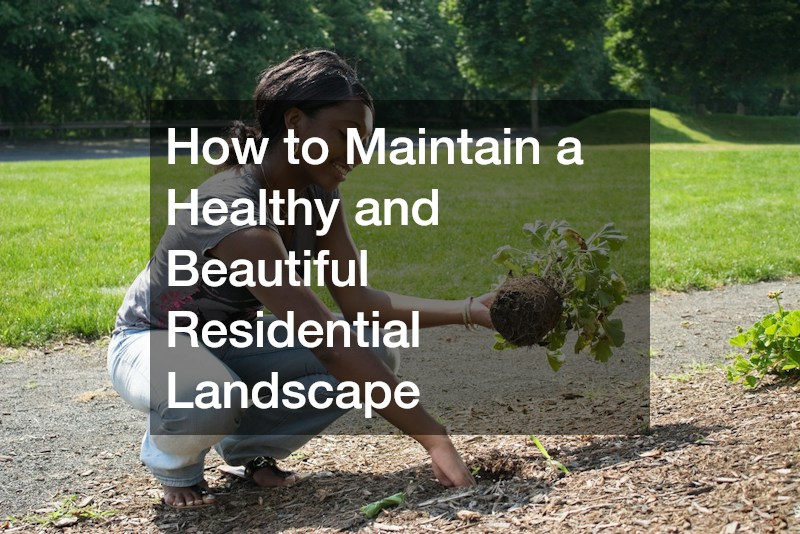
A healthy residential landscape improves curb appeal, creates inviting outdoor spaces, and supports long-term property value. However, keeping a yard attractive requires consistent attention to lawn care, plant health, soil conditions, and seasonal changes. Without regular maintenance, weeds can spread, trees can become hazardous, and outdoor features can deteriorate.
Homeowners can prevent many common problems by following a practical maintenance schedule and addressing concerns early. Understanding how to water plants, prune trees, manage pests, and care for outdoor structures makes landscape maintenance more manageable. With the right approach, homeowners can maintain a beautiful, functional outdoor environment throughout the year.
Build a Consistent Lawn and Garden Maintenance Routine
Regular maintenance prevents small problems from becoming expensive repairs. Rather than waiting until the yard looks overgrown, divide outdoor chores into weekly, monthly, and seasonal tasks.
Start with the areas that need frequent attention, including lawns, walkways, garden beds, and entrances. Inspect less frequently used areas monthly to identify developing issues.
A reliable maintenance routine should include:
- Mowing: Cut grass at the recommended height for its variety. Avoid removing more than one-third of the grass blade in a single session to reduce stress.
- Weeding: Remove weeds before they produce seeds and spread throughout the yard.
- Mulching: Apply mulch around trees, shrubs, and garden beds to retain moisture and suppress weeds. Keep it away from tree trunks.
- Debris removal: Collect fallen branches, damaged plant material, and leaves that could smother grass or obstruct pathways.
- Garden inspections: Look for discolored foliage, damaged stems, and signs of disease or pest activity.
Professional landscaping services can help homeowners maintain larger properties, manage recurring maintenance, and address tasks that require specialized equipment. Even when homeowners handle routine work themselves, occasional assistance can help keep neglected areas under control.
Water Plants Correctly to Encourage Strong Root Growth
Proper watering helps plants develop healthy roots, withstand heat, and maintain vigorous growth. However, excessive moisture can deprive roots of oxygen and contribute to disease, while insufficient watering can cause wilting and leaf damage.
Watering needs depend on plant species, soil composition, rainfall, temperature, and sunlight exposure. Sandy soil generally drains faster than clay soil, and plants in containers often dry out more quickly than those growing in the ground.
Follow these practical watering guidelines:
- Water deeply when appropriate: Encourage water to reach the root zone rather than wetting only the soil surface.
- Water early in the morning: Cooler temperatures generally reduce evaporation.
- Check soil moisture: Use your finger or a moisture meter to determine whether plants need additional water.
- Group plants by their needs: Place plants with similar moisture requirements together to simplify irrigation.
- Adjust for rainfall: Reduce watering after substantial rain and monitor plants during extended dry periods.
Drip irrigation and soaker hoses deliver water near plant roots, reducing waste from runoff and evaporation. Automatic systems can also help, but their schedules should change with seasonal conditions.
Pay attention to drainage. Persistent puddles around plants may indicate compacted soil, poor grading, or excessive irrigation. Correcting these problems helps protect roots and prevents water from collecting near the home’s foundation.
Protect Trees and Shrubs Through Regular Inspections
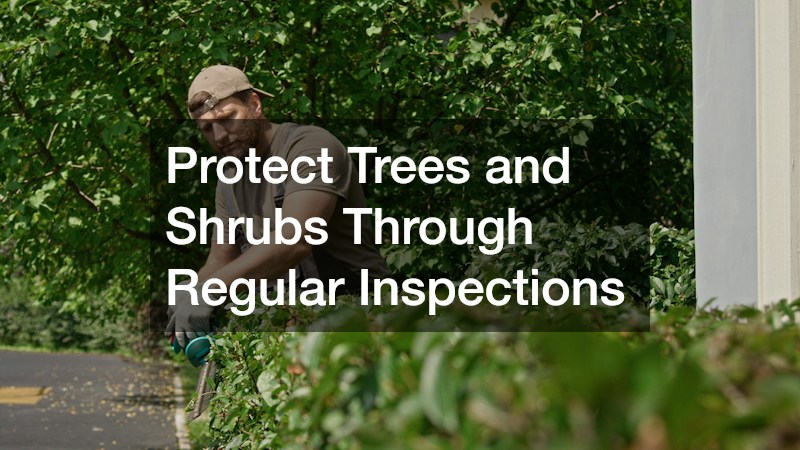
Trees and shrubs provide shade, privacy, and structure, but they need periodic inspections to remain healthy. Look for dead branches, cracked limbs, damaged bark, unusual leaning, and changes in foliage. After severe storms, check for visible damage from a safe distance.
Routine tree services may include health assessments, structural pruning, storm-damage evaluations, and recommendations for managing trees that interfere with buildings or other landscape features.
Not every damaged tree requires removal. A qualified professional can determine whether treatment, pruning, or continued monitoring is appropriate. However, a tree removal company may be necessary when a tree is dead, severely compromised, or presents an unacceptable safety risk.
Homeowners should never attempt to remove large trees or unstable limbs without suitable training and equipment. Branches near power lines require specialized attention and should not be handled independently. Contact a professional for tree removal services instead.
Keep records of tree inspections, pruning dates, and observed changes. These notes make it easier to identify recurring concerns and plan maintenance before problems become emergencies.
Prune Plants at the Right Time for Better Growth
Pruning helps maintain plant shape, remove damaged growth, improve clearance, and support healthy development. However, cutting at the wrong time or removing too much growth can weaken plants and reduce flowering.
Before pruning, identify the plant species and determine the appropriate season. Some flowering shrubs bloom on older wood and should generally be pruned after flowering. Others bloom on new growth and may benefit from pruning during dormancy or before spring growth begins.
For routine maintenance, focus on removing:
- Dead or broken branches that could fall or encourage decay.
- Diseased growth when removal is appropriate.
- Crossing branches that rub against one another.
- Unwanted shoots that interfere with a plant’s structure.
- Growth obstructs entrances and walkways.
Tree trimming can improve branch spacing and maintain clearance around buildings. However, excessive crown reduction can damage trees and leave them vulnerable to stress.
Use clean, sharp tools for small jobs, and avoid cutting branches flush against the trunk. A qualified tree trimming company can handle mature trees, elevated branches, and work requiring specialized equipment. Seek professional help when branches are large, unstable, or close to utility lines.
Pruning should always serve a purpose. Removing healthy branches simply to reduce a tree’s size may create more problems than it solves.
Prevent Pest Problems Before They Damage Your Landscape
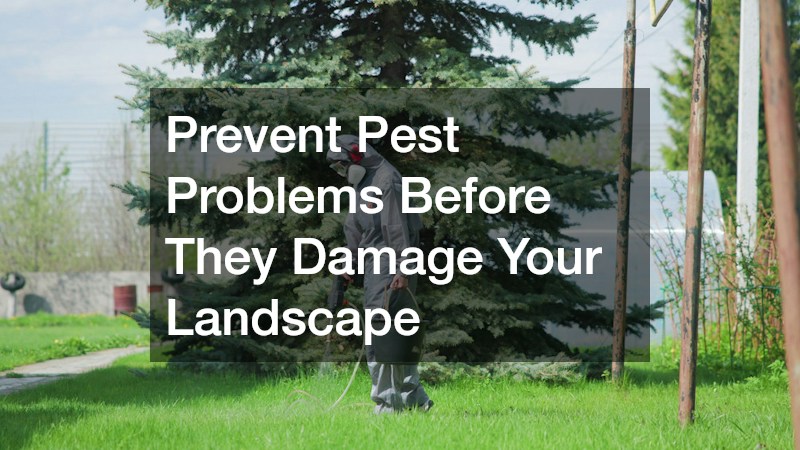
Pests can damage foliage, weaken branches, destroy roots, and spread plant diseases. Early detection makes infestations easier to manage and can reduce the need for extensive treatments.
Inspect leaves, stems, bark, and surrounding soil for unusual activity. Aphids often cluster on new growth, scale insects may appear as small bumps on stems, and certain beetle larvae feed beneath the soil surface. Yellowing leaves, distorted growth, and holes in foliage can also indicate pest activity.
Before applying a treatment, identify the cause. Drought stress and nutrient deficiencies can produce symptoms similar to insect damage, so unnecessary pesticide use may waste money and harm beneficial organisms.
Preventive measures include:
- Removing heavily infested plant material when appropriate.
- Avoid excessive fertilizer, which encourages vulnerable new growth.
- Maintaining suitable watering and drainage.
- Clearing debris that provides shelter for pests.
- Encouraging beneficial insects by planting suitable flowers.
- Monitoring plants after treatment to evaluate results.
For persistent infestations or pests that threaten people, structures, or valuable plants, an exterminator may help identify the source and recommend an appropriate control strategy.
Integrated pest management combines monitoring, prevention, physical removal, biological controls, and targeted chemical treatments when necessary. This approach focuses on controlling harmful pests while minimizing unnecessary effects on pets, pollinators, and the surrounding environment.
Improve Soil Quality and Choose Plants That Thrive Locally
Healthy soil supports root development, stores moisture, and supplies essential nutrients. When soil is compacted, poorly drained, or unsuitable for a plant’s needs, even regular watering and fertilizing may not produce healthy growth.
Start by testing the soil before applying amendments. A soil test can reveal pH levels and nutrient deficiencies, helping homeowners determine whether fertilizer or other treatments are necessary.
Improve soil conditions based on the results. Suitable organic matter may improve soil structure, while addressing compaction can help air and water reach roots. Avoid adding amendments indiscriminately because excessive nutrients can create imbalances.
Plant selection is equally important. Consider sunlight exposure, soil moisture, mature plant size, and local climate before purchasing trees, shrubs, or flowers.
Local landscape design services can help homeowners select compatible plants, organize garden beds, and plan for mature tree canopies and drainage patterns. Thoughtful placement also prevents shrubs from crowding walkways or trees from eventually interfering with roofs.
Native plants can support local pollinators and wildlife while reducing maintenance requirements in suitable locations. However, they still need appropriate establishment care and must be suited to the property’s growing conditions.
Maintain Patios, Walkways, and Other Outdoor Features

A residential landscape includes more than plants. Patios, retaining walls, steps, and walkways affect how safely and comfortably people use their property. Regular maintenance preserves their appearance and helps prevent costly repairs.
Inspect outdoor surfaces for cracks, loose pavers, uneven steps, leaning retaining walls, and areas where water collects. These problems may indicate soil movement, drainage issues, or deteriorating construction materials.
Routine care should include sweeping away debris, clearing drainage openings, removing weeds from appropriate joints, and cleaning surfaces with suitable products. Avoid aggressive pressure washing that could damage mortar or loosen paver joints.
Pay attention to drainage. Downspouts should direct runoff away from the foundation, and patios should drain so water does not collect near buildings. Persistent pooling can encourage algae growth, create slippery surfaces, and contribute to deterioration during freezing weather.
A hardscaping contractor may be needed to repair unstable retaining walls, reset displaced pavers, correct grading problems, or build new outdoor features. Before starting a project, consider how construction will affect nearby plants, irrigation lines, and existing drainage.
When planning a new patio or walkway, choose materials that suit the expected foot traffic and local weather. Provide sufficient clearance around entrances and pathways, and consider how nearby trees and shrubs will grow over time.
Use Lighting to Improve Safety and Visual Appeal
Well-planned outdoor lighting improves nighttime visibility while highlighting attractive landscape features. It also allows homeowners to use patios, entrances, and seating areas more comfortably after sunset.
Start by identifying areas where visibility matters most. Steps, walkways, driveways, and entrances should receive enough light for people to navigate safely. Decorative lighting can then emphasize mature trees, garden beds, stone features, and architectural details.
Follow these guidelines when planning and maintaining fixtures:
- Choose efficient bulbs. LED lighting typically uses less electricity than traditional incandescent alternatives.
- Direct light carefully. Shielded fixtures reduce glare and limit light spilling into neighboring properties.
- Select weather-resistant equipment. Fixtures should be appropriate for their exposure to moisture and outdoor conditions.
- Use timers or smart controls. Automated schedules reduce unnecessary energy consumption.
- Inspect fixtures regularly. Clean lenses and look for damaged components or signs of water intrusion.
Avoid placing bright lights where they shine directly into windows or disturb neighbors. Targeted illumination often creates a more attractive appearance than excessive brightness.
Adjust Landscape Care to Match the Seasons
Landscape needs to change throughout the year. A seasonal schedule helps homeowners complete maintenance tasks at the most beneficial times.
Spring: Inspect trees and shrubs for winter damage, remove accumulated debris, and prepare garden beds. Refresh mulch as needed, test irrigation equipment, and begin mowing once grass resumes active growth. Avoid working saturated soil excessively because it can become compacted.
Summer: Monitor plants during hot weather and adjust watering according to rainfall and soil conditions. Maintain appropriate mowing heights, remove weeds, and inspect foliage for pests. Newly planted trees and shrubs may need closer attention because their roots are not fully established.
Fall: Remove diseased plant material, collect leaves that smother grass or pose hazards, and plant suitable trees or shrubs when local conditions permit. Reduce irrigation as growth slows and prepare vulnerable systems for freezing temperatures.
Winter: Avoid unnecessary traffic on frozen or dormant lawns. Protect sensitive plants where appropriate, and inspect outdoor structures when weather allows. After severe storms, check for fallen branches and visible damage from a safe location.
Local weather should determine the timing of these tasks. A maintenance calendar provides useful reminders, but actual conditions and plant requirements should guide decisions.
Recognize When Professional Help Can Prevent Bigger Problems
Some landscape tasks are appropriate for homeowners, while others require specialized equipment, training, or safety precautions. Recognizing the difference helps prevent injuries and unnecessary property damage.
Consider professional assistance when a tree has significant structural damage, a pest infestation persists, a retaining wall begins to lean, or drainage problems repeatedly affect the property.
Before hiring a provider, explain the problem clearly and request a written estimate when appropriate. Confirm relevant qualifications and insurance, and ask whether cleanup, debris removal, and follow-up inspections are included.
Coordinate larger projects to avoid repeating work. For example, correcting drainage before installing new garden beds helps prevent plants from being placed in unsuitable conditions. Similarly, addressing tree problems before building a patio can reduce future conflicts involving roots and branches.
Keep Your Outdoor Space Attractive With Consistent Care
Maintaining a healthy residential landscape begins with consistent habits. Appropriate watering, careful pruning, healthy soil, regular inspections, and timely repairs help protect plants and preserve outdoor spaces. Seasonal planning makes these efforts more effective by matching maintenance tasks to changing weather and growing conditions.
Homeowners can start with a realistic schedule, track recurring problems, and address concerns before they become serious. When a project requires specialized skills or presents safety risks, professional guidance can help protect the property and everyone who uses it. With thoughtful planning and ongoing attention, a residential landscape can remain healthy, welcoming, and enjoyable throughout the year.

