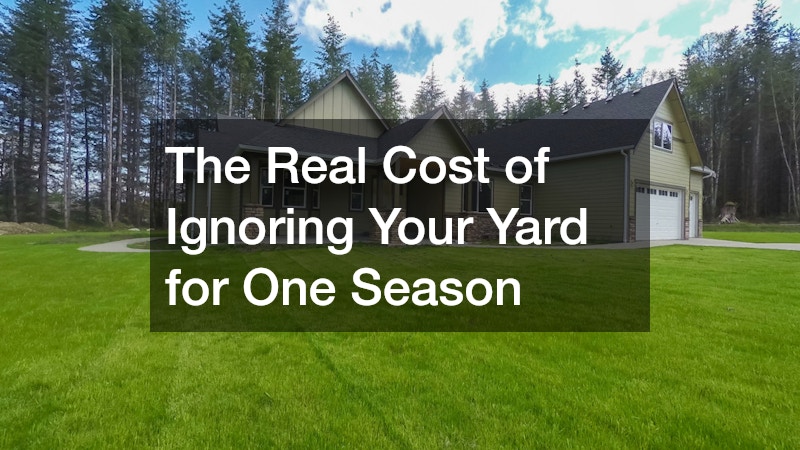
As the weather warms up, your to-do list probably grows just as fast as your grass does. Mowing, trimming, and mulching tend to collide with the exact same season when roofs, siding, gutters, and cooling systems need attention too. Understanding why these projects cluster together can help you plan your time and budget more wisely instead of feeling blindsided by a packed calendar. This guide breaks down the key reasons summer lawn care and home exterior repairs overlap, and how to tackle both without losing a weekend to chaos.
Warmer Weather Reveals Hidden Winter Damage
Snow, ice, and freezing temperatures are notorious for causing damage that stays hidden until spring thaw and early summer growth expose it. Cracked foundations, loosened shingles, and warped fencing often become visible only after the ground softens and plants start growing around them. At the same time, your lawn is recovering from dormancy, which means you are already outside inspecting soil, edges, and drainage patterns. This natural overlap in attention is why homeowners frequently discover exterior repair needs while they are simply trying to get their yard back in shape.
- Foundation cracks that widen after freeze-thaw cycles
- Gutter sections pulled loose by heavy snow load
- Fence posts shifted by frost heave
- Bare patches in grass caused by snow mold or salt runoff
Longer Daylight Hours Push Contractors Into Peak Season
Exterior repair companies and landscaping crews both rely on long daylight hours and dry conditions to get work done efficiently, which means their busiest months line up almost perfectly. From roughly May through August, there’s simply more usable daylight to mix mortar, run power tools, and let paint or sealant cure properly, so nearly every outdoor trade tries to cram as much work as possible into this window. This creates scheduling competition, since the same stretch that is ideal for reseeding a lawn or laying sod is also ideal for replacing siding, repairing a roof, or repainting trim. Siding contractors in particular tend to book out four to six weeks in advance during early summer, as homeowners rush to fix winter damage—cracked panels, water intrusion, ice-dam related rot—before humidity and storms arrive. Roofers and deck builders face similar backlogs, since a single rained-out week can push an entire crew’s schedule back by days. Landscapers dealing with irrigation installs or large sod jobs run into the same bottleneck, often turning away last-minute requests once their calendar fills. The result is a kind of seasonal traffic jam: everyone wants the same six to eight weeks of reliable weather, and crews can only be in one place at a time. Planning ahead and requesting quotes early in the season—ideally by late winter or early spring—can help you avoid being stuck on a long waiting list and may even get you better pricing before demand peaks.
- Peak season typically runs from late spring through midsummer, roughly May through August in most climates
- Longer daylight hours let crews log 10-12 hour workdays instead of the 7-8 hours typical in fall and winter
- Dry, mild weather allows for faster material curing and installation, from concrete and paint to roofing sealants
- Crews often prioritize jobs booked before their calendars fill, sometimes weeks or months in advance
- Last-minute requests during peak months often get pushed to a waitlist or quoted at a premium
- Early scheduling can mean better pricing before demand peaks, as contractors may offer off-season or pre-season discounts
- Booking in late winter or early spring often secures both lower rates and first pick of preferred start dates
Sprinkler and Irrigation Work Often Uncovers Exterior Issues
Setting up or repairing an irrigation system requires digging, trenching, and adjusting spray patterns near the house, which frequently brings attention to problems with siding, trim, or foundation drainage. Overspray hitting the base of your home can accelerate rot in wood siding or cause staining on vinyl and stucco surfaces. Homeowners adjusting sprinkler heads in June often notice peeling paint or soft spots in siding for the first time simply because they are standing closer to the house than usual.
This is a good opportunity to walk the perimeter of your home and check for signs of moisture damage while you are already out there working on your lawn. Catching these issues early, before they worsen with repeated watering cycles, can save you from a more expensive repair later in the season.
- Watch for mulch piled too high against siding, which traps moisture
- Check that sprinkler heads are not spraying directly onto walls
- Look for discoloration or bubbling near the foundation line
- Inspect window trim for softness or gaps after winter
Outdoor Cooling Needs Compete for the Same Calendar Space
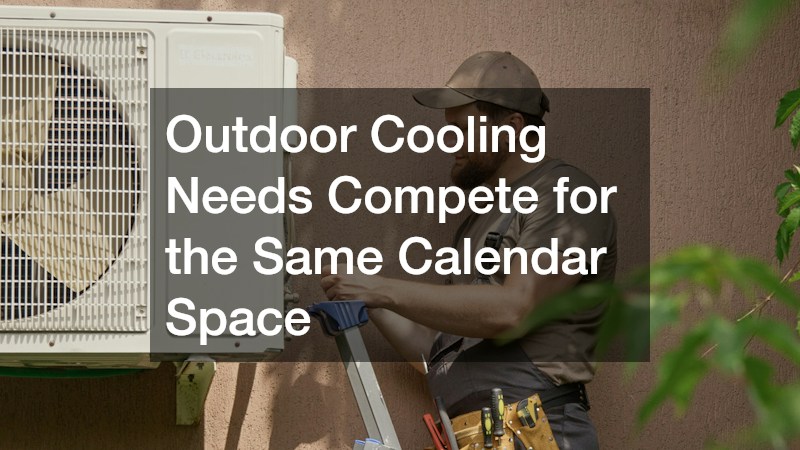
Just as lawns demand more attention in summer, home cooling systems reach their peak workload at the same time, which means HVAC companies get busy right alongside landscaping and repair crews. By mid-June, many technicians are juggling emergency calls for failed units alongside routine maintenance, stretching response times thin just when homeowners need help most. Many homeowners wait until the first heat wave to schedule AC service, only to find technicians booked out for a week or more. In a heat wave, a week without working AC isn’t just uncomfortable, it can be a genuine health risk for young children, elderly family members, or anyone with respiratory issues. Scheduling a tune-up in late spring, before the rush begins, can help you avoid both the wait time and the risk of a breakdown during the hottest stretch of the year. A spring service appointment typically covers refrigerant levels, filter replacement, and a check of electrical connections, all of which can catch small issues before they become costly failures. This timing also matters because lawn care crews, roofers, and gutter cleaners are drawing from the same pool of seasonal labor and scheduling windows. When every exterior service provider is trying to fit into the same few weeks of good weather, booking early isn’t just smart for your AC, it’s often the only way to get on anyone’s calendar at all.
Lawn crews aren’t the only contractors booking up fast once warm weather arrives — HVAC technicians face the same seasonal crunch, and their schedules fill even quicker once temperatures spike. If your system is already older or has needed frequent repairs, early summer is also a smart time to evaluate whether air conditioning replacement makes more financial sense than continuing to patch an aging unit. As a rule of thumb, if your AC is more than 10-12 years old and repair costs have climbed above half the price of a new system, replacement usually wins out over the long run. Replacing a unit before peak demand hits often means shorter lead times for new equipment and installation appointments. It also gives you more room to compare financing options, rebates, or energy-efficient models without feeling pressured into a rushed decision. Many utility companies and manufacturers offer seasonal incentives that disappear once summer is in full swing. Waiting until your system fails completely in July can leave you without cooling for days while you compete with every other homeowner facing the same emergency. At that point, technicians are stretched thin across lawn-related exterior work, roof repairs, and AC breakdowns all at once, which can push your service date back even further. Planning ahead avoids that bottleneck entirely.
- Book a cooling system checkup in April or May, before contractors’ schedules fill up with summer emergency calls
- Replace air filters monthly during heavy use; a clogged filter forces the unit to work harder and can raise energy bills by 5-15%
- Clear vegetation and lawn debris at least two feet from outdoor units to maintain proper airflow around the condenser
- Rake grass clippings and trimmed leaves away from units immediately after mowing, since clippings left to decompose nearby can clog coils
- Ask for an efficiency assessment if your unit is more than ten years old, especially if cooling bills have crept up without an obvious cause
- Consider pairing the AC inspection with gutter or siding work already on your schedule, since many contractors offer bundled exterior service visits
Yard Debris and Equipment Can Accelerate Exterior Wear
Lawn mowers, trimmers, and leaf blowers kick up dirt, grass clippings, and small debris that can lodge in siding seams, window tracks, and vents over the course of a summer. Repeated impacts from thrown rocks or sticks during mowing can also chip paint or crack vinyl panels near ground level. Being mindful of mower direction and blade height near the house can reduce this kind of accidental damage significantly.
- Mow away from the house when possible to limit debris spray
- Keep trimmers away from dryer vents and utility lines
- Clean built-up grass clippings from foundation vents regularly
- Inspect siding near ground level monthly during mowing season
Recognizing why lawn care and exterior home repairs collide every summer makes it much easier to plan ahead instead of reacting to problems as they appear. Walk your property regularly, keep an eye out for moisture or debris-related wear, and schedule seasonal services before demand peaks. Taking a proactive approach this season will save you time, stress, and money down the road.