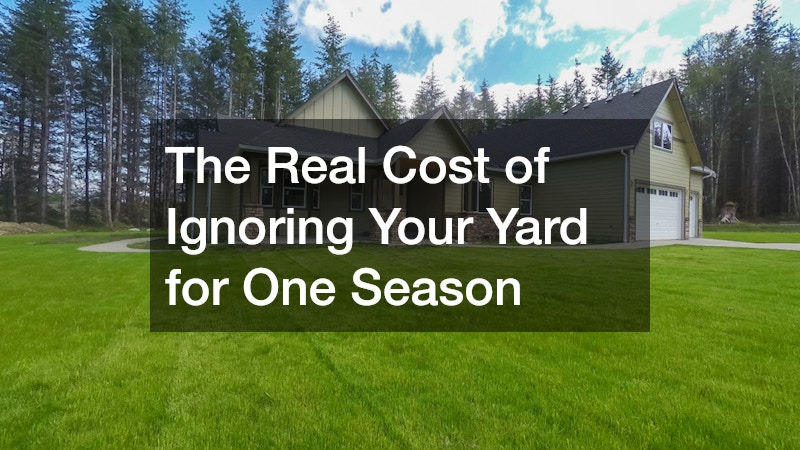
A single missed season of yard care rarely feels urgent in the moment, but the consequences compound quickly and quietly. What starts as a few overgrown patches or an unchecked weed problem can snowball into thinning turf, damaged trees, and costly repairs that far exceed the price of routine maintenance. Understanding exactly where neglect hits your wallet hardest can help you decide where to focus your time, money, and attention before small problems become expensive ones.
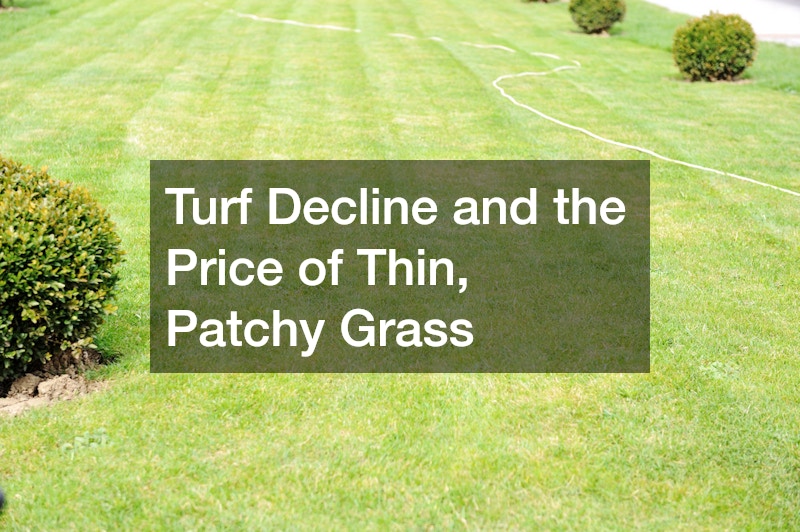
Turf Decline and the Price of Thin, Patchy Grass
A mulching-services’> healthy lawn is built on consistent care, and skipping even one season of mowing, feeding, and weed control can undo years of progress. Grass that goes untreated becomes vulnerable to crabgrass, dandelions, and broadleaf weeds that choke out desirable turf and spread rapidly once established. Bare and thinning patches also invite soil erosion, especially on sloped yards, which makes restoration far more labor intensive than simple upkeep.
The cost of letting things slide shows up later in the form of reseeding, soil amendments, and extra fertilizer applications needed to rebuild what was lost. Many homeowners find that hiring a local lawn care fertilizer and weed control company for a single season of neglect recovery costs significantly more than a full year of preventive treatments would have. Catching weed pressure early is almost always cheaper than fighting an entrenched infestation later.
Watering Gaps and the Hidden Damage to Irrigation Equipment
An irrigation setup that sits unused or unchecked for months can develop problems that are not obvious until you turn it back on. Clogged nozzles, cracked lines, and stuck valves are common after a season of neglect, and they often go unnoticed until you see dry patches or unexpectedly high water bills. Freeze-thaw cycles are especially hard on buried piping, causing hairline fractures that only reveal themselves once the water pressure returns in spring.
Sun exposure takes its own toll as well. UV rays can make exposed tubing and rubber seals brittle, so a sprinkler system left running on autopilot may be pushing water through components that are already failing.
A sprinkler system that is not inspected regularly can also waste significant water through leaks hidden underground. A single cracked line can lose dozens of gallons per day without any visible sign above the surface, quietly inflating utility bills for weeks before anyone notices. Some homeowners only catch the problem when a water bill spikes by 50% or more, at which point the damage to both the lawn and the wallet has already been done.
Routine checks each season — testing zones, watching for uneven spray patterns, and listening for hissing valves — catch most of these issues before they become costly repairs.
– Cracked heads from freezing temperatures or accidental impact damage, often unnoticed until a puddle forms
– Valve failures that cause zones to run constantly or not at all, wasting water or leaving grass to die
– Uneven coverage that leaves some areas overwatered and others parched, creating patchy, stressed-looking lawns
– Pressure issues that strain the entire sprinkler system over time, shortening the lifespan of heads and valves alike
– Clogged nozzles from dirt and mineral buildup that reduce spray radius and skew watering patterns
– Controller settings that fall out of sync with seasonal watering needs, running full summer schedules into cooler fall weather
– Buried or tilted heads from settling soil that misdirect water onto sidewalks instead of your lawn
Delayed Tree Inspections and the Risk of Pest Infestation
Trees rarely show signs of stress overnight, which is exactly why a season of inattention can allow small problems to escalate into serious ones. Insects like borers, aphids, and scale can establish themselves undetected, weakening a tree’s structure and making it more susceptible to disease. Fungal issues also spread more easily when a tree is already stressed from pests, creating a compounding problem that gets harder to reverse the longer it goes untreated.
Regular tree spraying at the right time of year can prevent infestations from taking hold in the first place, targeting pests before they cause visible damage. Once an infestation is advanced, treatment becomes more intensive, more expensive, and less likely to fully save the tree. A single missed season is often the difference between a quick preventive treatment and a prolonged recovery effort.
Overgrown Branches and the Threat to Roofs and Power Lines
Branches that go untrimmed for a full season can grow into roof lines, gutters, and overhead utility wires faster than most homeowners expect. A fast-growing species like a silver maple or willow can add several feet of new growth in a single season, closing the gap between a canopy and your roof much sooner than anticipated. This creates real safety hazards, especially during storms when overloaded or weak limbs are more likely to snap and fall onto roofing, siding, or parked cars.
– Branches rubbing against roofing or siding, wearing down shingles, flashing, or paint with every gust of wind
– Constant friction points that can rot wood siding or create small gaps where water and pests sneak in
– Limbs growing into power lines, creating fire and outage risks, especially during storms or high winds
– Utility companies often charging homeowners for emergency trims if branches interfere with their equipment
– Dense canopies pressing against gutters and downspouts, leading to clogs and drainage issues
– Trapped leaves and debris adding weight that can pull gutters loose from the fascia
– Weak branch unions that become more dangerous as they grow heavier, often splitting without warning in storms
– Co-dominant stems and included bark, both common signs of a future break, worth spotting early
One season of unchecked growth can turn a manageable tree into a serious liability. Branches that creep toward rooflines can scrape off shingles, trap moisture against the roof deck, and create entry points for pests and water damage. Limbs that grow too close to power lines pose an even bigger risk, potentially causing outages or sparking a fire during a storm.
Scheduling routine tree trimming keeps growth manageable and reduces the risk of emergency situations that are far more expensive to resolve. A single overgrown limb falling on a roof can lead to repair bills running into the thousands, while damage to a power line may bring utility crews, fines, or liability claims into the picture.
Reactive trimming after a storm or safety scare typically costs more than proactive, seasonal tree trimming because of the added urgency and potential damage involved. Emergency tree services often charge premium rates for after-hours or storm-related calls, and insurance may not cover damage if neglect is deemed a contributing factor. Planning trims once or twice a year, ideally before storm season and after major growth periods, keeps trees healthier and your home safer for a fraction of the cost.
Structural Weakness and When a Tree Becomes a Liability
Not every tree problem can be solved with trimming or treatment, and a season of neglect can sometimes reveal that a tree has moved beyond saving. Signs like large dead branches, fungal growth at the base, or a noticeable lean can indicate internal decay that compromises the tree’s stability. Ignoring these warning signs for even a few extra months increases the risk of the tree falling on its own, potentially damaging property or injuring someone nearby.
When a tree reaches this point, waiting only makes the eventual removal more complicated and costly, particularly if the tree is near a structure or power line. Bringing in a tree removal company sooner rather than later, once a hazard is confirmed, is almost always safer and less expensive than dealing with storm damage or emergency extraction later. Early assessment gives you more options and more control over timing and cost.
Soil Health and the Long-Term Effects of Skipping Mulch
Bare soil around trees, shrubs, and garden beds is far more vulnerable to temperature swings, moisture loss, and weed growth than soil that’s properly protected with a layer of mulch. Without that buffer, soil temperatures can spike by 10 to 20 degrees on hot days and drop sharply at night, putting shallow root systems under constant stress. A season without fresh mulch also allows weeds to establish deep root systems, moisture to evaporate quickly, and soil to compact under heavy rain, all of which stress plant roots further.
This kind of ongoing stress can weaken plants over time, making them more susceptible to disease, pest infestation, and slower recovery from seasonal changes. Weakened root systems struggle to absorb nutrients efficiently, which shows up as yellowing leaves, stunted growth, or reduced flowering the following year.
The soil itself suffers too. Without mulch to slow evaporation and moderate temperature, beneficial microorganisms and earthworms that keep soil aerated and nutrient-rich decline, leaving the ground harder, drier, and less able to support healthy plant growth for seasons to come.
Refreshing mulch on a regular schedule—typically once or twice a year, in spring and fall—helps retain soil moisture, suppress weed germination, and moderate temperature extremes around root zones. A well-maintained 2 to 3-inch layer can reduce watering needs by a significant margin, since it slows evaporation during hot, dry stretches. It also improves curb appeal almost immediately, which matters if you are trying to maintain your home’s value or prepare it for sale.
When mulch is skipped for a season, the soil beneath it doesn’t just look neglected; it starts losing structure. Bare or thinly covered soil compacts faster under rain and foot traffic, which restricts oxygen flow to plant roots and makes it harder for water to soak in rather than run off. Weeds that would otherwise be smothered get a head start, often establishing root systems deep enough that pulling them disturbs nearby ornamentals.
Letting mulch break down completely without replacing it undoes these benefits and often requires a thicker, more expensive application to catch back up. Instead of a routine top-off, homeowners may need to strip away matted, decomposed material first, amend depleted soil with compost, and then reapply a full layer—easily doubling the cost and labor compared to staying on schedule. Over multiple seasons of neglect, this cycle can also stress trees and shrubs enough to shorten their lifespan or require costly replacement.
Root and Canopy Neglect and the Case for Ongoing Tree Care
Trees are long-term investments, and their health depends on consistent attention rather than occasional intervention. A single missed season can mean skipped fertilization, unaddressed soil compaction, or unnoticed root damage from construction or heavy equipment nearby. These issues often do not show visible symptoms right away, which makes them easy to overlook until the tree’s overall health has already declined.
Partnering with a dependable local tree care provider helps ensure that seasonal needs like pruning, fertilization, and pest monitoring do not fall through the cracks. Consistent oversight also means problems are caught while they are still minor and inexpensive to address. Trees that receive this kind of ongoing attention tend to live longer, require fewer emergency interventions, and add more lasting value to a property.
Choosing Year-Round Support to Prevent Future Setbacks
One of the best ways to avoid repeating a costly season of neglect is to establish an ongoing relationship with professionals who track your property’s needs throughout the year. A tree maintenance company that visits on a set schedule can catch early signs of pest activity, storm damage, or structural weakness before they become emergencies. This kind of proactive relationship also tends to be more affordable over time, since routine care is almost always cheaper than reactive repairs.
The real cost of ignoring your yard for even one season is rarely just cosmetic, it shows up in weakened turf, stressed trees, wasted water, and repairs that could have been avoided with earlier attention. The good news is that most of these problems are preventable with consistent, seasonally timed care rather than expensive after-the-fact fixes. Taking stock of your lawn, trees, irrigation, and soil, along with partnering with a tree company, now puts you back in control before small issues turn into major expenses.