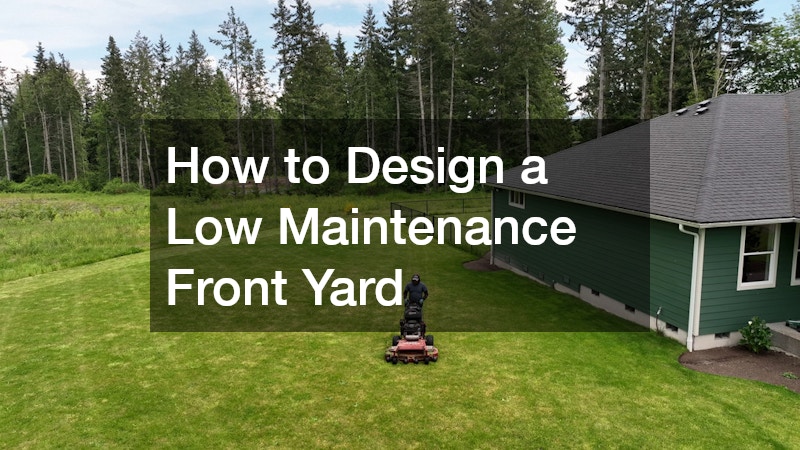
Maintaining a sprawling, emerald-green lawn has long been considered a hallmark of homeownership. However, weekly mowing, constant weeding, expensive chemical treatments, and rising water bills have turned traditional yard care into a full-time chore. A low-maintenance front yard shifts the focus from high-upkeep turf to strategic, sustainable design elements that look beautiful year-round with minimal effort. By carefully planning your layout, incorporating hardscapes, choosing native perennials, and automating routine tasks, you can achieve maximum curb appeal while winning back your weekends.
Designing a low-maintenance landscape requires an initial investment of thought, time, and labor, but the long-term rewards are immense. Whether you want to reduce your lawn by half or eliminate turfgrass altogether, smart planning prevents future maintenance headaches like invasive weeds, poor drainage, and constant pruning. In this comprehensive guide, we will break down the essential steps to transforming your front yard into an easy-care sanctuary that enhances your home’s aesthetic and market value.

Step 1: Evaluate Your Site and Map Out Functional Zones
Before buying a single plant or digging up a square foot of sod, you must conduct a thorough evaluation of your existing front yard. Observe how natural sunlight moves across your property throughout the day, noting areas of full sun, partial shade, and dense shade. Pay close attention to water drainage during heavy rain to identify low spots where water pools, as well as high, arid zones that dry out quickly. Understanding your climate zone, soil type, and microclimates ensures that every feature you install will thrive naturally without requiring endless intervention or artificial life support.
Once you understand your environment, divide your yard into functional zones that serve specific purposes. Allocate space for clean walkways, structural plant beds, utility access, and focal points that draw the eye toward your entryway. Working with a professional landscape designer during this conceptual phase can help you draft a master site plan that balances aesthetics with low-maintenance principles. Their expertise ensures that plant scaling, hardscape proportions, and drainage solutions are executed correctly from day one, saving you from costly design mistakes down the road.
Mapping out your site in advance prevents the common pitfall of overplanting, which is a primary driver of high garden maintenance. When you know the exact mature size of your structural elements, you can place them where they won’t overcrowd walkways or block windows. A well-zoned front yard relies on clean transitions between beds, paths, and hardscapes, creating an organized framework that looks intentional even during winter dormant periods.
Step 2: Clear Lawn Space and Prepare Superior Foundation Soil
Removing established turfgrass is often the most labor-intensive step of a low-maintenance landscape transformation, but it yields the greatest reduction in ongoing work. Traditional turf grass requires frequent mowing, edging, fertilizing, and dethatching to stay healthy. To clear large sections of turf efficiently, you can use methods such as sheet mulching with cardboard and wood chips, solarization with plastic sheeting, or mechanical sod cutting. Removing turf eliminates the relentless cycle of weekly lawn care and frees up valuable real estate for deep-rooted, drought-tolerant plantings.
For properties requiring heavy earthmoving, regrading, or extensive turf stripping, hiring a dedicated lot clearing services team can accelerate the process exponentially. These specialists possess the heavy machinery required to strip away stubborn invasive vegetation, remove underground boulder obstructions, and level uneven terrain in a fraction of the time it would take manually. Clearing the slate cleanly provides a smooth, fresh canvas, preventing aggressive turf grasses like Bermuda or Zoysia from invading your newly designed plant beds later.
After clearing the surface, you must focus on build-up under the ground. Soil health is the single most critical factor in determining whether your new plants will thrive independently or require constant fertilizing and watering. Amending tired, compacted soil with rich organic compost improves water retention in sandy soils and enhances drainage in dense clay soils.
-
Test your soil pH: Discover exact nutrient deficiencies and pH levels before planting so you can choose compatible plants.
-
Aerate compacted subsoil: Break up hardpan layers 12 inches deep to allow deep root penetration and healthy air exchange.
-
Incorporate rich organic matter: Blend aged compost, leaf mold, or earthworm castings into the top 6 to 8 inches of dirt.
-
Apply bulk topsoil: Scheduling bulk top soil deliveries allows you to quickly raise garden bed levels, improve surface grading, and build nutrient-dense planting mounding across large front yard zones.
Investing time and resources into top-quality soil preparation reduces long-term maintenance dramatically. Healthy soil produces vigorous, disease-resistant plants that establish strong root systems capable of tapping into deep groundwater during summer droughts.
Step 3: Replace High-Maintenance Turf With Durable Hardscaping
Hardscaping elements—such as stone patios, paver walkways, and retaining walls—are the ultimate zero-maintenance features of a modern front yard. Every square foot of living lawn you replace with a solid, permanent hardscape surface is a square foot you never have to mow, water, fertilize, or re-seed again. High-quality stonework provides immediate structure, creates inviting pathways for visitors, and gives your front property an elegant, modern aesthetic that elevates overall curb appeal.
For major structural hardscapes, partnering with an experienced masonry company ensures your installation withstands severe freeze-thaw cycles, soil settling, and heavy foot traffic. Professional masons build stable, deep gravel sub-bases and execute proper mortar or polymeric sand joints that block weed growth between stones. From fieldstone retaining walls that terrace sloped yards to dry-stacked natural stone borders, expert stonework adds timeless architectural value while eliminating erosion concerns.
Beyond traditional stone paving, consider incorporating functional wood or composite structures into your front layout. A broad entry porch extension or a sleek ground-level platform can turn an underutilized, high-maintenance front lawn into a functional outdoor living room.
Working with a skilled deck contractor allows you to seamlessly integrate low-maintenance composite decking materials around entryways or courtyard nooks. Composite materials resist rotting, warping, and insect damage, requiring only an occasional wash down with a hose to maintain their pristine appearance. Combined with custom stonework, wood and composite hardscapes dramatically reduce overall garden chore hours.
Step 4: Swap High-Maintenance Grass for Low-Care Ground Covers
If you still prefer the soft, green look of a natural carpet but despise the intense routine of lawn care, alternative ground covers are an exceptional solution. Low-growing perennial ground covers stay close to the earth, form dense mats that naturally smother competing weeds, and rarely—if ever—require mowing. Once established, these living carpets thrive with minimal water, offering beautiful seasonal blooms, rich green textures, and year-round visual warmth.
Selecting the right ground cover depends heavily on your region’s sunlight levels and foot traffic demands. Creeping Thyme, for example, releases a wonderful scent when stepped on and thrives in full sun, while Mondo Grass and Pachysandra form plush, evergreen carpets in shady areas under mature trees.
-
Creeping Thyme (Thymus serpyllum): Highly drought-tolerant, handles light foot traffic, and produces vibrant purple flowers in summer.
-
Miniature Clover (Trifolium repens): Fixes atmospheric nitrogen into the soil naturally, stays green during dry spells, and requires minimal mowing.
-
Creeping Wire Vine (Muehlenbeckia axillaris): Forms an ultra-dense, tough mat that thrives on slopes and suppresses stubborn weeds.
-
Star Jasmine (Trachelospermum jasminoides): Excellent for warm climates, offering glossy evergreen leaves and sweet-smelling white spring blooms.
Ground covers offer a dynamic, living alternative to boring grass while eliminating the need for gas-powered lawn equipment. They hold topsoil firmly in place, preventing slope erosion during heavy downpours, and create a hospitable environment for beneficial garden insects and natural soil microbes.
Step 5: Prioritize Native Perennials and Climate-Adapted Shrubs
The most successful low-maintenance front yards feature plants that want to grow in your local environment naturally. Exotic plants often require constant pampering, special fertilizers, heavy protection from winter frost, and excessive summer watering. Native perennials and climate-adapted evergreen shrubs, on the other hand, have evolved over centuries to withstand your local weather extremes, native pest pressures, and soil conditions without human intervention.
When filling your landscape beds, focus on structural evergreens like dwarf conifers, boxwoods, and inkberries to ensure your home maintains curb appeal during colder seasons. Interplant these structural anchors with hardy native perennials like Coneflowers, Black-Eyed Susans, Russian Sage, and Ornamental Grasses. Native perennials die back to the ground in late autumn and return reliably every spring without requiring replanting, saving you significant time and seasonal plant expenses.
Proper plant spacing during initial installation is key to maintaining a hassle-free garden. Always space plants according to their mature width rather than their size in the nursery pot. Giving plants ample room to grow reduces air circulation problems, discourages fungal diseases, and eliminates the need for constant, aggressive pruning to prevent overcrowding.
Step 6: Streamline Plant Beds With Inorganic Mulch and Rock Layers
Bare soil in a garden bed is a magnet for weed seeds transported by wind and birds. To keep weeds from taking root and to retain moisture in the ground, you must keep all exposed soil covered. While organic wood mulches break down and enrich soil over time, they must be refreshed annually, adding an ongoing chore to your spring home maintenance list. Inorganic ground coverings like river rock, crushed granite, and pea gravel offer a long-lasting, heavy-duty alternative that stays in place for years without degrading.
Ordering a bulk crushed rock delivery provides you with the exact material volume required to cover large garden beds, walkway borders, and xeriscape zones uniformly. Rocks create a clean, high-contrast backdrop that highlights plant foliage, while preventing soil erosion during heavy rains. When underlaid with a high-grade, breathable commercial weed barrier fabric, a 3-inch layer of decorative stone virtually eliminates weed growth for years at a time.
Before spreading stone or mineral mulches, make sure you source your materials from reliable, professional landscape supplies vendors. Quality suppliers offer clean, washed decorative stones, commercial-grade landscape fabrics, durable metal edging, and subterranean root barriers that keep bed borders razor-sharp. Using high-grade materials upfront guarantees your weed-suppression layers won’t tear, break down, or wash away after a single season of heavy storms.
Proper layering is essential for a truly low-maintenance stone bed. Placing heavy stone over low-quality plastic sheeting traps moisture incorrectly and leads to stagnating soil, whereas proper woven fabrics allow air and water to pass freely while blocking light from subterranean weed seeds.

Step 7: Automate Watering With Drip Irrigation and Smart Timers
Hand-watering with a hose or constantly moving oscillatory lawn sprinklers around the front yard is a massive time sink. Overhead sprinklers are also extremely inefficient, losing up to 30% or more of their water to evaporation, wind drift, and overspray onto driveways and sidewalks. A low-maintenance front yard relies instead on subterranean drip irrigation networks that deliver precise amounts of water directly to plant root zones.
Consulting with professional sprinkler companies allows you to design a fully automated, multi-zone drip system equipped with smart, weather-sensing controllers. Smart controllers monitor local weather forecasts in real time, automatically skipping scheduled watering cycles when rain is present or high humidity keeps soil moist. Drip lines operate under low pressure, delivering water slowly beneath mulch or rock layers, which keeps plant foliage dry and drastically reduces the occurrence of fungal leaf diseases.
Automated irrigation systems eliminate guesswork, ensuring your plants receive consistent moisture even when you are traveling on vacation. By delivering water directly to the roots of target plants rather than spraying the entire bed, you also starve weed seeds lurking on the dry soil surface of the moisture they need to germinate.
Step 8: Protect Exterior Surfaces and Eliminate Home Trim Work
When people think about yard maintenance, they often focus entirely on plants and grass, overlooking the maintenance required for adjacent home building surfaces. Traditional lawns and messy planting beds frequently scatter mud, grass clippings, and hard-water iron stains against exterior walls during heavy rain or weed-trimming routines. Design decisions that protect your home’s lower exterior walls reduce the need for pressure washing, repainting, and structural repair.
Upgrading your home’s lower exterior wall cladding through a qualified siding service can create an impervious, easy-to-clean boundary along your front yard beds. Modern fiber-cement, stone veneer, and premium vinyl siding options resist moisture damage, fungal rot, and weed-whipper impact better than traditional painted wood trim. Pair this with a 12-inch gravel strip or paved border running directly along your home’s foundation to prevent splashback mud stains from dirtying your walls during torrential rains.
Eliminating close-contact grass along building foundations also protects your siding from moisture retention and pest invasion. Termites, carpenter ants, and mice prefer dense vegetation pressed against home foundations. Creating clean, dry, hardscaped buffer zones around your home’s footprint ensures your house stays cleaner and safer with zero ongoing effort.
Step 9: Manage Large Trees Proactively to Reduce Yard Debris
Mature trees bring incredible beauty, shade, and architectural weight to a front property, but improper tree choices or neglected specimens can create a maintenance nightmare. Trees that constantly shed large seed pods, messy fruit, brittle dead twigs, or heavy sap demand endless sweeping and raking. Furthermore, aggressive surface roots can crack nearby paver driveways, lift stone walkways, and choke out surrounding plant beds.
If your front yard features dying, hazardous, or high-mess trees that constantly create heavy cleanup chores, hire a licensed tree removal service to safely remove them. Removing problematic trees opens up dark, stagnant front yards to healthy sunlight, eliminating moss growth on roofs and allowing low-maintenance flowering shrubs to thrive underneath. Replacing messy species with clean, dwarf specimen trees— such as Japanese Maples, Eastern Redbuds, or Flowering Dogwoods—delivers striking focal points without the constant debris clean-up.
Proper long-term tree management includes proactive structural pruning every few years. Raising tree canopies allows sunlight to reach underlying plant beds, while thinning out interior branches reduces wind resistance during severe storms, protecting your home from falling limb damage.

Step 10: Establish a Minimal Seasonal Checklist for Long-Term Ease
Even the most thoughtfully designed low-maintenance front yard is a living ecosystem that requires a tiny amount of seasonal care to keep looking its best. The goal of low-maintenance design is not complete neglect, but rather condensing dozens of hours of monthly yard work into a simple, two-hour seasonal checkup. By performing a few targeted tasks at strategic times during the year, you prevent minor maintenance tasks from turning into major restoration projects.
Structuring your yard care around seasonal transitions keeps maintenance predictable and quick. Most of your minimal effort will occur during late spring and late autumn, leaving the peak summer months entirely free for relaxation.
-
Early Spring (30 Minutes): Cut back dead perennial stems left over from winter, check drip irrigation emitters for clogs, and apply a natural pre-emergent weed preventive to stone beds.
-
Mid-Summer (15 Minutes): Inspect smart irrigation schedules during heat waves and spot-pull any stray weeds that managed to sprout through stone layers.
-
Late Autumn (45 Minutes): Rake excess fallen leaves off evergreen ground covers, clean out gutters, and blow debris off stone paths and driveways.
-
Winter (0 Minutes): Enjoy the clean structural lines, evergreen colors, and hardscape silhouettes of your front yard from the comfort of indoors.
Establishing a predictable, lightweight seasonal routine ensures your low-maintenance front yard stays neat, healthy, and inviting year after year. By trading in demanding turf grass for smart hardscaping, native plants, automated systems, and durable stone coverings, you create a front landscape that works for you—rather than a yard you have to work for.
Designing a low-maintenance front yard is one of the smartest home improvement investments you can make. By replacing high-upkeep lawn space with permanent hardscapes, hardy native perennials, durable stone layers, and automated drip irrigation, you eliminate the endless cycle of weekend chores while dramatically increasing your home’s curb appeal. A well-planned, easy-care front yard proves that you don’t need to spend hours pushing a mower or spraying chemicals to enjoy a stunning, welcoming home entrance year-round.