Your home’s exterior does more than create curb appeal, it acts as a living, growing asset that either gains or loses value depending on how well you care for it. Weather, seasons, and time all take a toll on lawns, trees, and outdoor structures, and neglect can quietly erode your property’s worth. The good news is that a handful of smart, well-timed upgrades can protect what you’ve already invested while making your outdoor space more enjoyable. This guide walks through practical, season-by-season steps any homeowner can use to keep their property healthy, attractive, and financially sound.
Getting Your Yard Ready Each Spring
Spring is the reset button for your property, and what you do in these first few weeks often determines how the rest of the year unfolds. Clearing away debris, dead leaves, and matted grass allows sunlight and air to reach the soil, which jumpstarts healthy growth. This is also the ideal time to refresh garden beds, since a fresh layer of mulch helps retain moisture, suppress weeds, and regulate soil temperature as things warm up.
Beyond mulch, spring cleanup sets the tone for consistent lawn care throughout the growing season. A yard that starts the year healthy is far more resistant to summer stress, pests, and drought later on.
- Rake up leftover leaves and thatch to prevent mold and disease
- Apply two to three inches of fresh mulch around trees and beds
- Inspect sprinkler heads and irrigation lines for winter damage
- Edge garden beds to create clean, defined borders
Feeding Your Grass the Right Way

A green, thick lawn is one of the most noticeable indicators of a well-maintained property, but achieving it requires more than just watering. Understanding when and how to feed your grass makes a significant difference in its density, color, and root strength. Following proven lawn fertilizing tips, such as applying nitrogen-rich formulas in early spring and switching to slow-release blends before summer heat arrives, helps grass handle stress without burning.
Timing matters as much as the formula itself. A spring application of a fertilizer with an N-P-K ratio around 20-5-10 jumpstarts new growth after dormancy, while a slow-release granular blend applied six to eight weeks later sustains that color through hotter months without triggering a surge of tender growth that pests love to target.
Homeowners should also factor in grass type and soil conditions before buying a bag off the shelf. Cool-season grasses like fescue and bluegrass benefit from a heavier feeding in fall, while warm-season varieties such as Bermuda and zoysia respond best to summer applications. A simple soil test every year or two can reveal pH imbalances or phosphorus deficiencies that generic feeding schedules often miss.
Over-fertilizing is just as damaging as neglect, often causing thatch buildup, fungal disease, and runoff that wastes money and harms nearby plants. Sticking to labeled rates, typically no more than one pound of nitrogen per 1,000 square feet per application, keeps the lawn thriving while protecting the broader landscape investment.
Timing matters just as much as the product you choose. Fertilizing too early or too late in the season can waste money and even damage grass that isn’t actively growing.
Cool-season grasses like fescue and bluegrass benefit most from feeding in early fall and again in mid-spring, when root growth is strongest. Warm-season varieties such as Bermuda or zoysia respond better to late spring and summer applications, once soil temperatures consistently reach 65°F or higher.
Applying fertilizer during dormancy—typically in the peak of summer heat or the depths of winter—often does more harm than good, since the grass can’t absorb the nutrients efficiently. A simple soil thermometer or local extension office guidance can help you pinpoint the right window for your specific lawn type.
- Test soil pH before your first application each year; aim for a range of 6.0 to 7.0, and use a basic home kit or send a sample to your local extension office
- Choose a fertilizer ratio that matches your grass type and season, favoring higher nitrogen in spring and potassium-rich blends in fall
- Apply fertilizer after mowing, not before, so grass blades don’t block granules from reaching the soil
- Water lightly after applying, about 10-15 minutes, to help nutrients reach the roots without washing them away
- Avoid fertilizing during drought or extreme heat, since stressed grass can burn or absorb nutrients unevenly
- Skip fertilizing within 24 hours of forecasted heavy rain to prevent runoff into storm drains and nearby plant beds
Keeping Up With Ongoing Yard Care
Consistency is what separates a lawn that merely survives from one that truly thrives. Weekly mowing at the correct height, regular weeding, and seasonal aeration all contribute to a resilient, attractive yard. Many homeowners find that professional lawn maintenance services take the guesswork out of scheduling, ensuring tasks happen at the right intervals rather than whenever time allows.
Skipping routine care even for a few weeks can allow weeds, pests, or fungal disease to take hold, which often costs more to fix than it would have to prevent. Staying on a consistent schedule protects both the appearance and the underlying health of your landscape.
- Mow at a height appropriate for your specific grass type
- Aerate compacted soil once or twice a year
- Overseed thin patches in early fall for thicker coverage
- Keep an eye out for early signs of pest infestation
Checking the Health of Your Trees Each Season
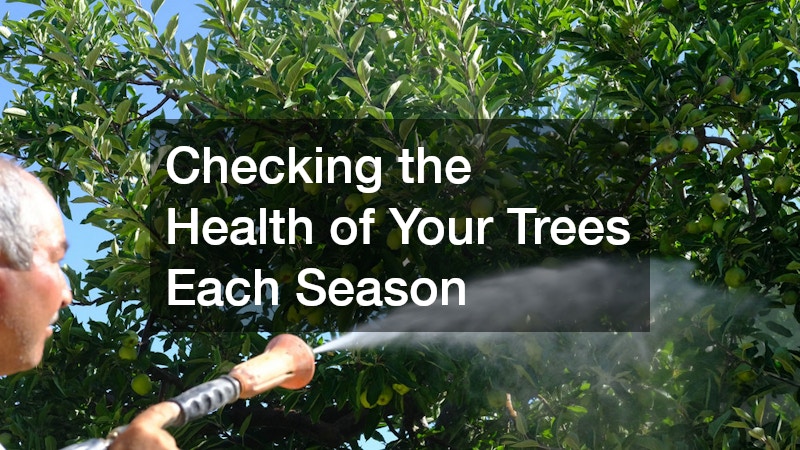
Trees are one of the most valuable, and most overlooked, assets on any property, often adding significant resale value when they are healthy and well-shaped. Seasonal inspections help catch problems like cracked bark, dead limbs, or fungal growth before they become expensive or dangerous. Regular tree pruning removes weak or crossing branches, improves airflow through the canopy, and encourages stronger, more balanced growth over time.
Professional tree services can also spot early warning signs that untrained eyes might miss, such as root damage or early-stage disease. Catching these issues early often means the difference between a simple treatment and losing the tree entirely.
- Look for dead, cracked, or hanging branches after storms
- Check bark for discoloration, splitting, or fungal growth
- Schedule pruning during dormant seasons when possible
- Watch for leaning trees, which can signal root problems
Choosing the Right Trees to Add Value
Adding new trees to your property is one of the most cost-effective ways to boost long-term value, provide shade, and improve energy efficiency. Thoughtful tree planting takes into account mature size, root spread, and proximity to structures, driveways, or utility lines. Native species are often the smartest choice since they typically require less water and are naturally resistant to local pests and diseases.
Planning ahead prevents costly problems down the road, like roots damaging foundations or branches interfering with power lines. A little research before digging saves years of maintenance headaches later.
- Choose species suited to your climate and soil type
- Leave enough space for mature root and canopy growth
- Avoid planting directly beneath power lines
- Water deeply and consistently during the first two years
Recognizing When a Tree Needs to Go
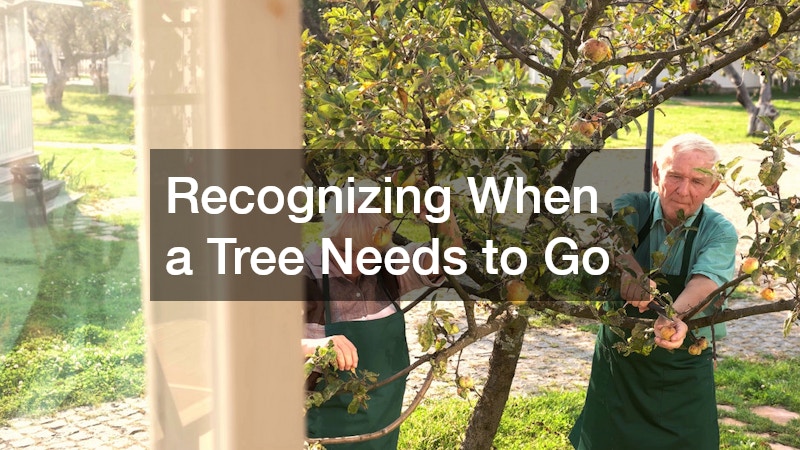
Not every tree can or should be saved, and knowing when to let one go protects both your property and your safety. Trees that are severely diseased, structurally unstable, or growing dangerously close to your home may need tree removal before they cause damage during a storm. Waiting too long to address a hazardous tree often leads to far higher costs, including damage to roofs, fences, or vehicles.
A professional assessment can confirm whether a tree is salvageable or poses a genuine risk. In many cases, removing one problem tree protects the health of surrounding vegetation as well.
- Large dead branches throughout the canopy
- Fungus growing at the base of the trunk
- Significant leaning that has worsened over time
- Visible root damage near the foundation or driveway
Adding Durable Features With Hardscaping
While plants and lawns bring life to a yard, hardscaping provides the structure and permanence that ties everything together. Patios, retaining walls, walkways, and fire pits add functional living space while requiring far less maintenance than plant beds. These features also tend to hold their value well, since durable materials like pavers and natural stone can last for decades with minimal upkeep.
When planning new hardscaping, it helps to think about drainage and how water will move across the property once the structure is in place. Poorly planned installations can trap moisture near your foundation, leading to costly repairs later.
- Use permeable pavers to reduce runoff and pooling
- Incorporate retaining walls on sloped properties
- Choose materials that match your home’s architectural style
- Plan pathways to connect key areas like patios and gardens
Getting Expert Help When You Need It
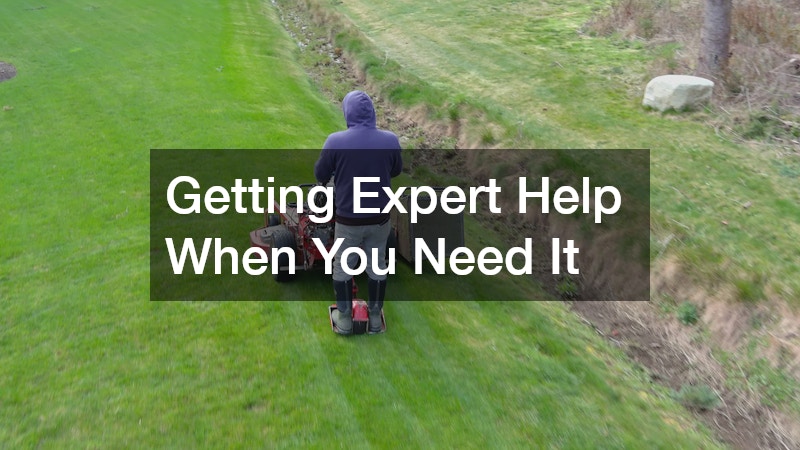
Some outdoor projects are simple enough for a weekend DIY approach, but larger upgrades often benefit from an experienced eye. A skilled landscaper can help design a cohesive plan that balances plantings, hardscaping, and drainage in a way that protects your property long term. They can also identify issues you might not notice, such as poor grading or soil compaction, before those problems become expensive.
Hiring the right professional isn’t just about labor, it’s about avoiding costly mistakes that come from guesswork. A knowledgeable expert can save you money over time by getting the design and installation right the first time.
- Ask for references and photos of completed projects
- Request a written estimate before work begins
- Confirm licensing and insurance coverage
- Discuss maintenance needs for any proposed upgrades
Managing Water Flow Around Your Home
Water is one of the biggest silent threats to a property’s foundation, landscaping, and overall value. Poor drainage can lead to soil erosion, standing water, and even structural damage if left unaddressed for too long. Grading your yard so water flows away from your home, combined with strategically placed drains, protects both your lawn and your foundation.
Simple observations after a heavy rain can reveal a lot about how well your property handles water. Addressing drainage issues early is almost always cheaper than repairing the damage they eventually cause.
- Watch for pooling water near the foundation after rainstorms
- Install French drains in low-lying areas
- Direct downspouts away from garden beds and walkways
- Regrade any areas where water collects for more than a day
Preparing Your Property for Winter
The transition into colder months is just as important as spring cleanup, since improper preparation can undo a full season of hard work. A few key tasks make the difference between a landscape that bounces back in spring and one that suffers lasting damage.
Cutting grass slightly shorter for its final mow (around 2 to 2.5 inches) helps prevent matting and fungal growth under snow cover, while clearing fallen leaves stops moisture from suffocating the lawn. Wrapping burlap around young shrubs, mulching root zones, and disconnecting garden hoses to prevent frozen pipe bursts all help protect vulnerable plants and irrigation systems through freezing temperatures.
This is also a good time to inspect outdoor structures for any wear that could worsen under snow or ice. Check deck boards and railings for loose fasteners, clean out gutters to prevent ice dams, and look over fencing and sheds for cracks or rot before winter moisture has a chance to expand them further.
Taking these steps before the first hard freeze reduces the risk of winter damage and sets you up for an easier spring recovery. Once nighttime temperatures start dipping below 32°F, exposed pipes, gutters, and outdoor faucets become vulnerable within days, so timing matters as much as the tasks themselves.
Focus on a few high-impact items: draining and shutting off exterior hose bibs, clearing gutters and downspouts of leaves to prevent ice dams, and sealing gaps around windows, doors, and utility penetrations where cold air and moisture can seep in. Adding foam insulation covers to outdoor spigots costs only a few dollars each but can prevent a burst pipe repair that runs into the hundreds.
A little preparation now prevents a lot of extra work later. Walking the property once more after the first freeze to check for missed trouble spots—like a cracked hose or a gutter still holding standing water—can catch small issues before they turn into costly spring repairs.
- Clear gutters and downspouts of leaves and debris, checking that water flows freely away from the foundation to prevent ice dams
- Wrap young or sensitive trees and shrubs in burlap, and mulch around their base 2-3 inches deep to insulate roots from frost
- Store or cover outdoor furniture, grills, and equipment in a shed or garage, using waterproof covers for anything left outside
- Inspect hardscaped areas like driveways, patios, and walkways for cracks, since freezing water can expand and worsen damage
- Seal small cracks in concrete or asphalt with a weatherproof filler before the first hard freeze
- Disconnect and drain garden hoses, then shut off exterior water spigots to prevent frozen pipes from bursting
- Check the roof for loose or missing shingles, as winter snow and ice can exploit even minor vulnerabilities
Protecting your property investment doesn’t require a complete overhaul, just a consistent, season-by-season approach to caring for your lawn, trees, and outdoor structures. Small, informed decisions made throughout the year add up to significant savings and lasting curb appeal. Start by identifying which area of your yard needs attention most right now, whether that’s your lawn, trees, or hardscaping, and build a simple plan from there. With steady care, your outdoor space can remain a valuable, enjoyable part of your home for years to come.