Managing a residential or commercial lot requires a comprehensive approach to site development, aesthetic planning, and long-term environmental stewardship. Whether starting with a raw, untouched piece of land or updating an established estate, property owners encounter a complex series of tasks before reaching an idealized outdoor environment. Success depends on sequencing these tasks correctly, establishing clear boundaries, preparing the physical terrain, implementing an intentionally planned layout, and maintaining healthy vegetation with the guidance of an arborist. When property owners take a holistic view of property development, every step builds upon the last to create a safe, sustainable, and visually appealing site.
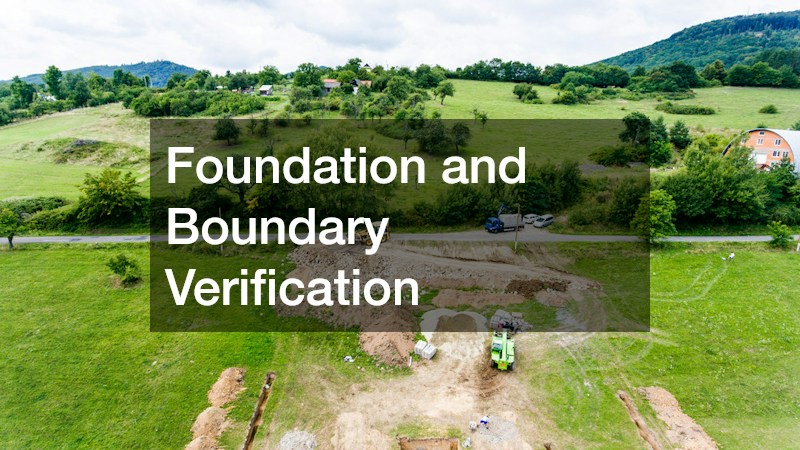
Phase One: Foundation and Boundary Verification
Before any heavy machinery arrives or design plans take shape, every project must begin with precise measurements. Establishing legally defined boundaries and understanding topography protects property owners from costly encroachment issues and municipal fines. Engaging a professional skilled in land surveying ensures that property lines are correctly identified, easements are accounted for, and elevation changes are mapped accurately.
This initial step provides a clear blueprint of the site’s exact dimensions and constraints. Knowing the exact parameters of the land prevents disputes with neighbors and ensures that any planned structures, drainage systems, or permanent features remain within legal boundaries. Furthermore, accurate boundary data allows subsequent contractors to execute their tasks with precision, ensuring that site prep work respects all spatial guidelines from the very beginning.
Phase Two: Heavy Terrain Preparation and Debris Management
Once spatial parameters are defined, the focus shifts to transforming raw, overgrown, or cluttered ground into a workable slate. Overbrush, old stumps, dense thickets, and unwanted vegetation create physical barriers to construction and landscape implementation. Hiring an experienced land clearing service is critical during this phase to safely remove unwanted surface growth, level difficult terrain, and grade the ground for proper water runoff.
Proper land prep is more than simply clearing space; it preserves long-term soil health and mitigates future drainage issues. Removing deep root systems prevents unpredictable ground settling that could jeopardize driveways, foundations, or retaining walls. Clearing away decaying debris also eliminates prime nesting grounds for pests, establishing a clean, stable foundation ready for structural builds or new vegetative plantings.
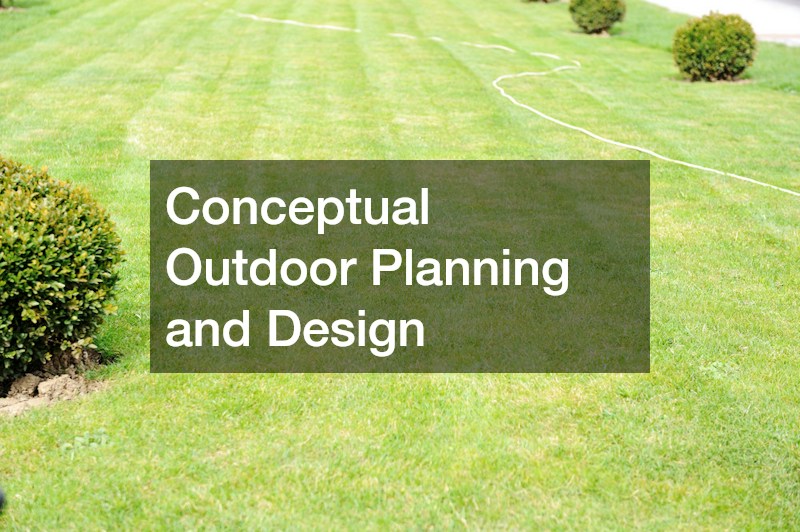
Phase Three: Conceptual Outdoor Planning and Design
With a clean, well-delineated canvas, the focus turns to creative vision and structural function. Developing an outdoor space requires a balance between architectural elements, plant life, hardscaping, and natural environmental factors. Working alongside a talented landscape designer transforms abstract ideas into cohesive plans that blend living features with functional outdoor living zones.
A thoughtful design considers sunlight patterns, soil composition, prevailing winds, and regional climate conditions to select materials and vegetation that thrive over time. Strategic layout choices direct foot traffic smoothly across the grounds, screen undesirable views, and optimize outdoor living areas. By addressing both immediate aesthetic appeal and future plant growth, a well-executed plan ensures that the property grows richer and more visually unified with each passing season.
Phase Four: Professional Care for Established Vegetation
Existing trees on a property often represent significant aesthetic and ecological value. Mature timber provides privacy, shade, and natural beauty, making its preservation a top priority during property improvements. Utilizing comprehensive tree services ensures that legacy growth receives necessary nutrients, structural evaluations, and protection from nearby heavy equipment or construction activities.
Professional vegetative care involves assessing soil aeration, managing pest exposure, and addressing structural vulnerabilities in large limbs. Protecting mature foliage during site work preserves the natural character of the environment, saving property owners the decades it would take to grow replacement shade trees. Investing in specialized care from the start safeguards these valuable green assets for years to come.

Phase Five: Partnering with Verified Community Specialists
Executing complex outdoor projects requires skilled labor and specialized machinery tailored to local environmental conditions. Relying on trusted local tree companies gives property owners access to technicians who understand regional soil types, native tree species, and common climate hazards like heavy snows or high winds.
Community-focused teams offer distinct advantages in responsiveness, equipment availability, and regional regulatory knowledge. They hold the necessary permits and insurance to operate safely near homes, power lines, and neighboring structures. Establishing an ongoing working relationship with a reputable local contractor guarantees that your property receives reliable, prompt attention whenever maintenance or site adjustments are needed.
Phase Six: Routine Maintenance and Canopy Management
Regular upkeep maintains the appearance of an estate and prevents minor plant defects from becoming hazards. Dense tree canopies can block beneficial sunlight from reaching lawns and garden beds below, leading to thin, patchy ground cover and excess moisture retention. Scheduling a routine local tree trimming service keeps canopies balanced, opens up sunlight penetration, and removes dead weight from heavy branches.
Timely trimming prevents overgrown branches from scraping against roofs, interfering with utility cables, or obstructing lines of sight along driveways. Maintaining a routine schedule keeps the overall landscape tidy while actively managing canopy density to support healthy growth across all vegetative layers on the property.
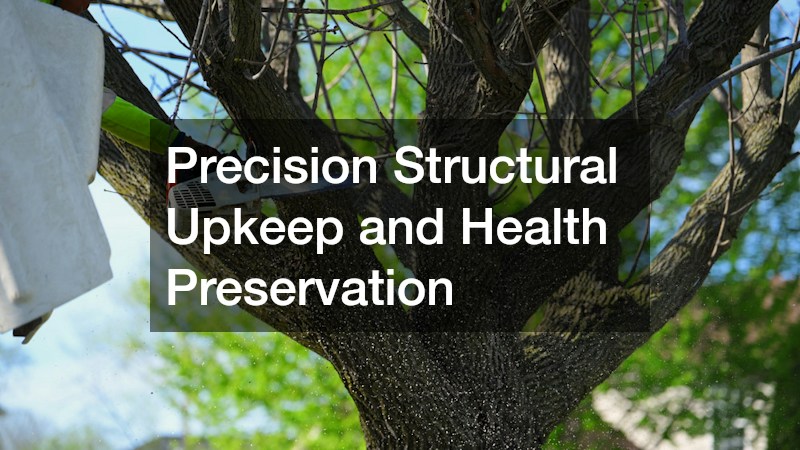
Phase Seven: Precision Structural Upkeep and Health Preservation
Beyond general cosmetic trimming, long-term health preservation requires strategic removal of specific branches to improve structural integrity. Performing regular tree pruning targets weak crotches, crossing branches, and diseased wood before decay spreads throughout the trunk or main limbs.
Targeted cuts encourage strong structural form, air circulation, and light penetration deep within the canopy. By removing dead or compromised wood early, trees retain their resilience against strong winds and severe ice storms. Proper cuts minimize open wounds, allowing trees to seal quickly and defense mechanisms to protect against fungal infections or insect infestations.
Phase Eight: Managing Hazards and Controlled Extraction
When a tree becomes diseased, structurally unsound, or poses a direct threat to nearby buildings, extraction becomes necessary. Attempting to clear large, dead, or leaning trees without specialized rigging gear presents severe safety hazards to people and property. Engaging professional tree removal services ensures that compromised timber is safely taken down piece by piece using controlled drop procedures.
Safe extraction requires evaluating weight distribution, decay levels, proximity to power lines, and drop zones. Professional teams use specialized cranes, rigging systems, and wood chippers to disassemble hazardous trees smoothly, leaving the surrounding area undamaged and clean. Removing hazardous trees protects property infrastructure and makes space for healthier plantings or new site developments.
Phase Nine: Urgent Hazard Mitigation and Storm Response
Severe weather, sudden lightning strikes, and sudden ground saturation can cause heavy limbs or whole trees to collapse unexpectedly. When fallen timber blocks driveways, damages roofs, or threatens structural integrity, immediate action is required to restore safety and secure the area. Relying on emergency tree removal services provides property owners with rapid-response crews equipped to handle dangerous, high-risk clearing operations after a storm.
Emergency specialists operate under challenging conditions, using advanced rigging to stabilize fallen limbs, relieve structural pressure on buildings, and clear hazardous debris. Quick intervention prevents secondary property damage, eliminates safety hazards, and restores normal access to the site. Having a plan for unexpected weather events guarantees that your property recovers swiftly from severe environmental impacts.
Developing and maintaining a property is an evolving journey that requires careful planning, technical expertise, and continuous maintenance. By combining boundary verification, ground preparation, landscape planning, and ongoing vegetative care from an arborist, property owners can build a safe, visually appealing, and resilient outdoor environment. Investing in professional care across every phase of property management protects your structural investments, elevates overall curb appeal, and ensures long-term environmental health.